


Carving Knives & Slicing Knives
The long thin blade of carving and slicing knives is designed for cleanly slicing through cooked meat, poultry, and fish. These knives glide through meat to create beautiful slices without ripping or tearing, making them essential tools for any kitchen where precision and presentation matter. Whether you're carving a holiday turkey, slicing a roast beef, or preparing delicate fish fillets, the right carving or slicing knife ensures smooth, effortless cuts every time. Their specialized design, including features like a tall blade, pointed tip, and ergonomic handle, provides excellent control and precision, helping you achieve perfect slices with minimal effort. Explore our range of carving knives, carving forks, and carving sets to find the perfect tools for your slicing needs, crafted from high-quality steel and designed for durability, sharpness, and comfort.


cutlery
All Filters
Flyout with all filters and corresponding filter values listed
Knives > Carving Knives



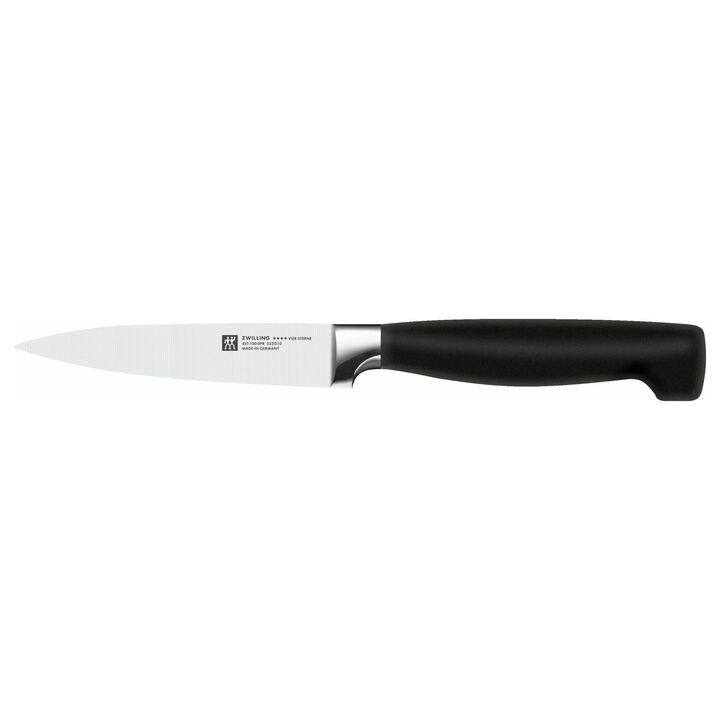
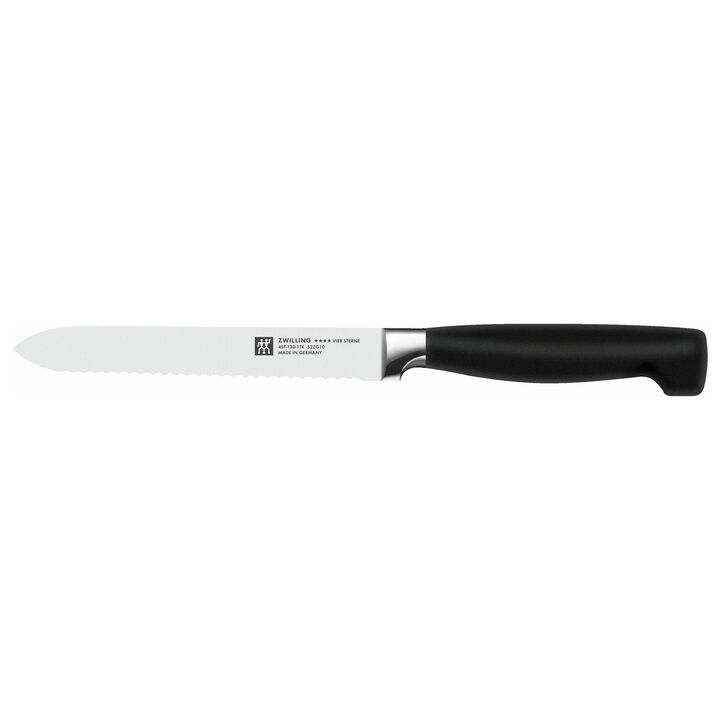
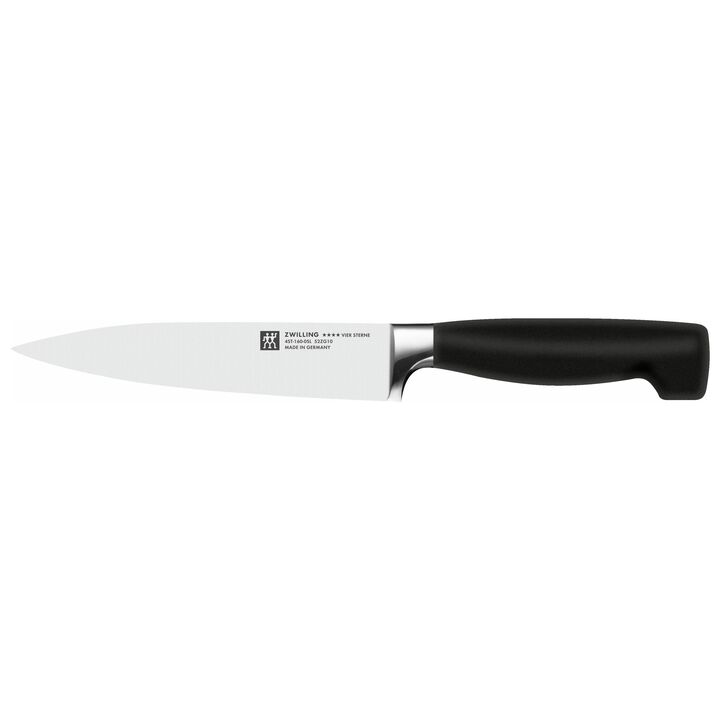
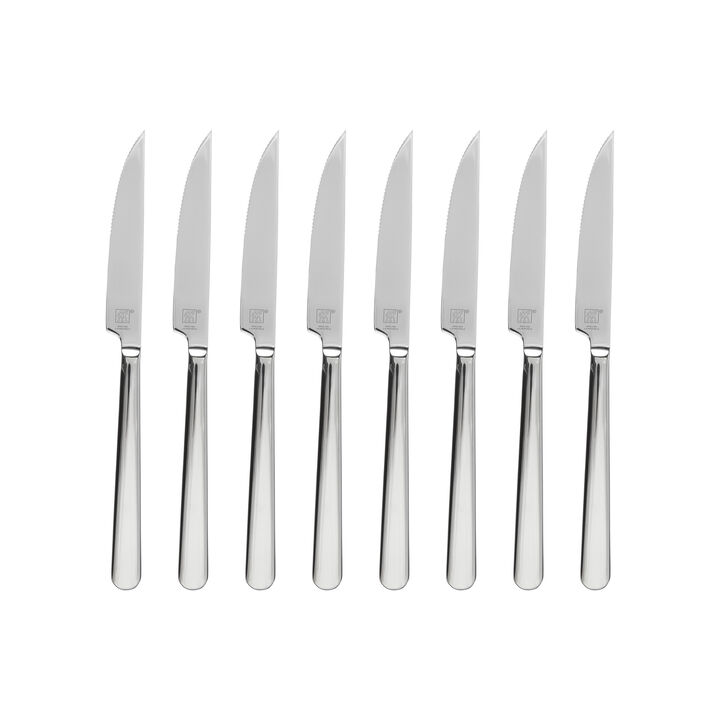
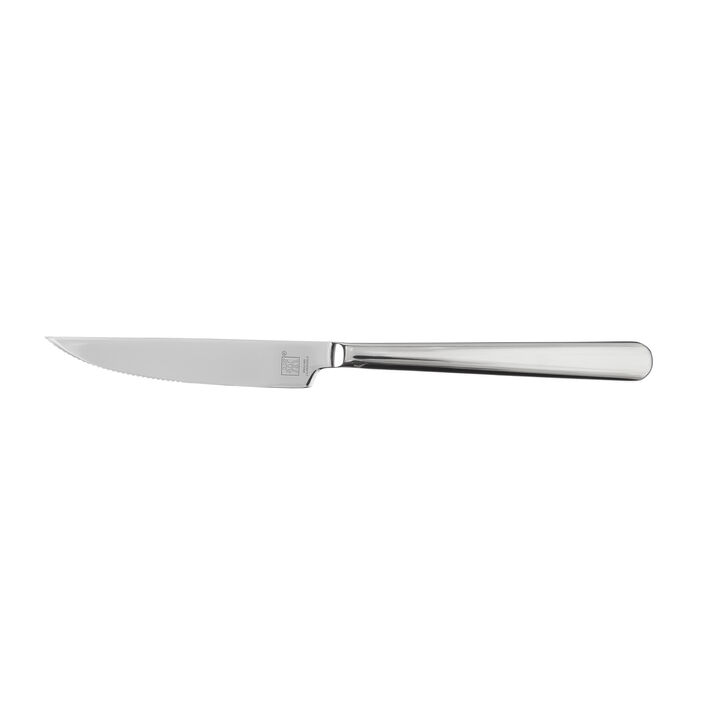


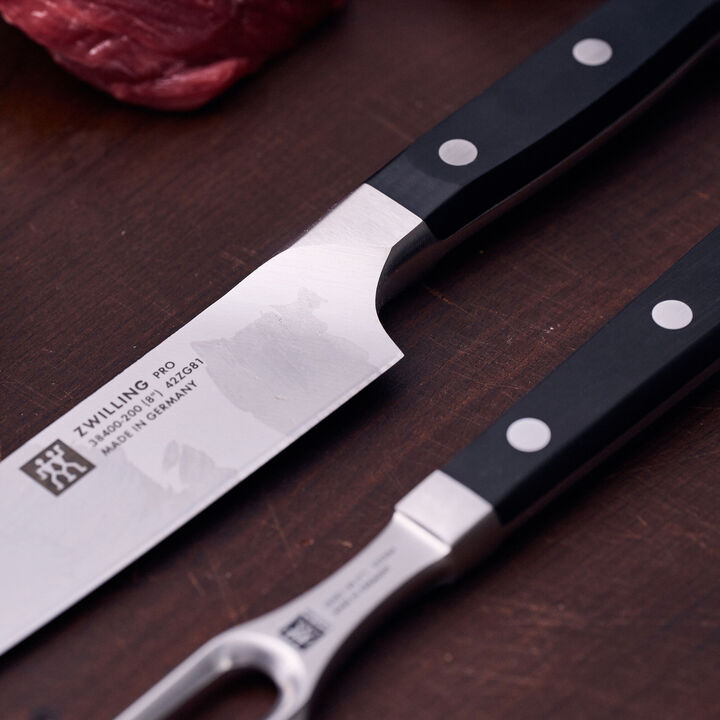

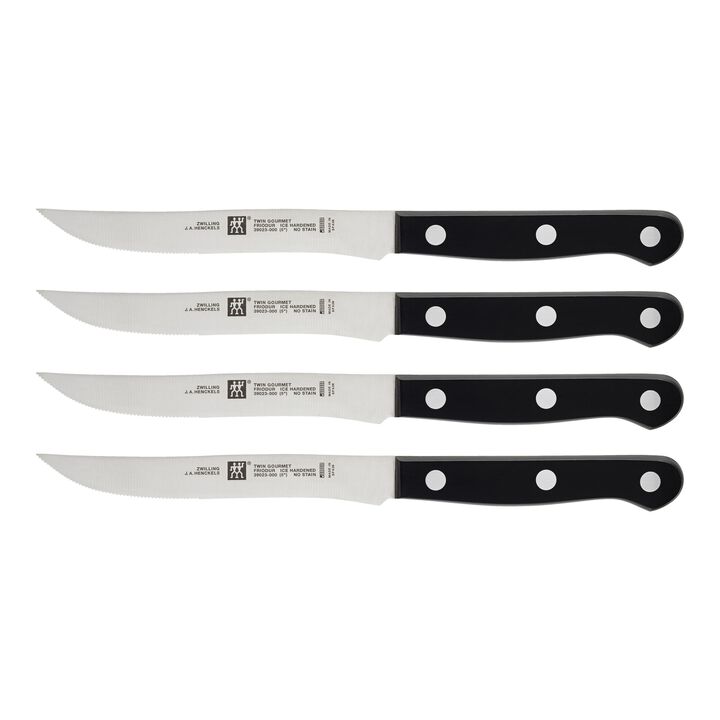
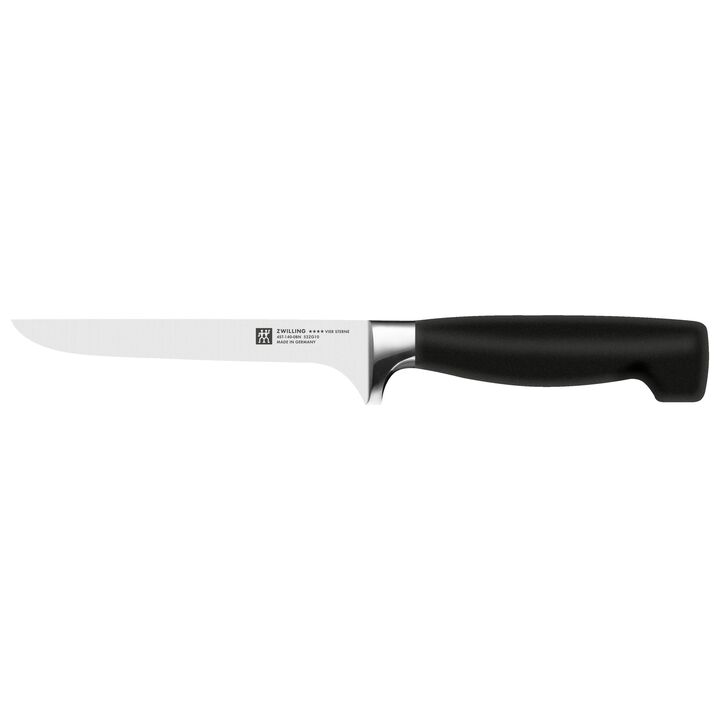






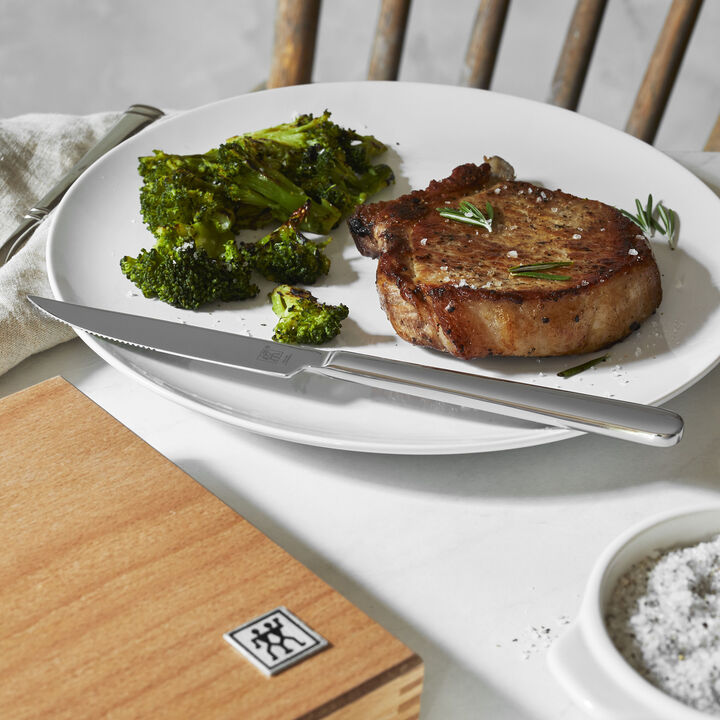

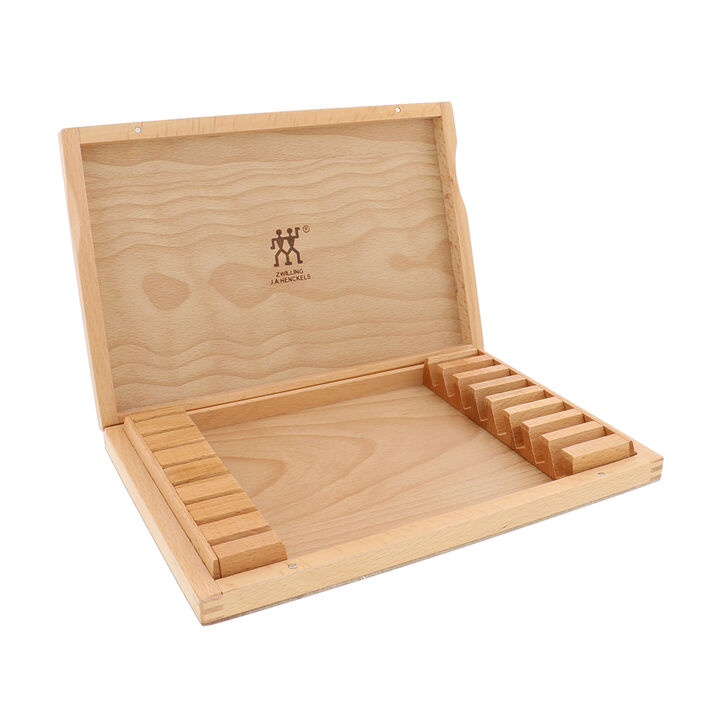


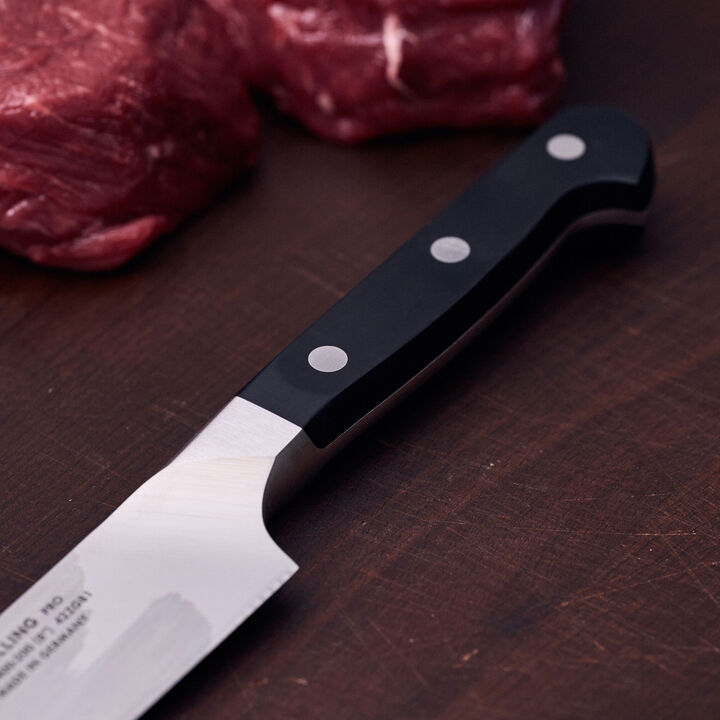
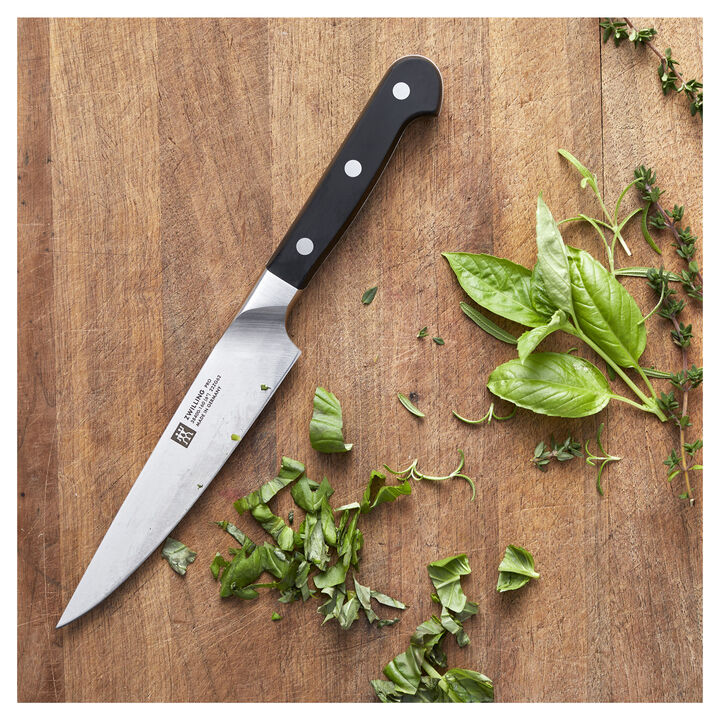


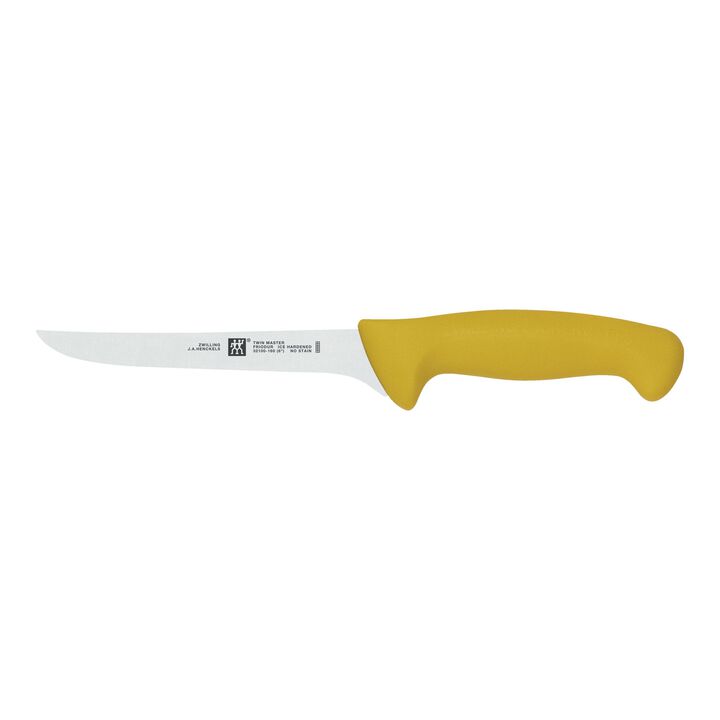

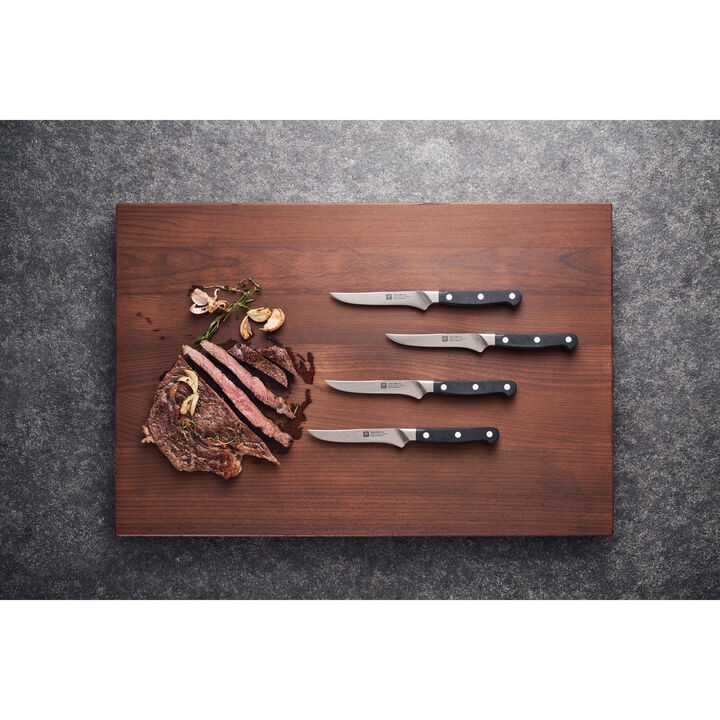
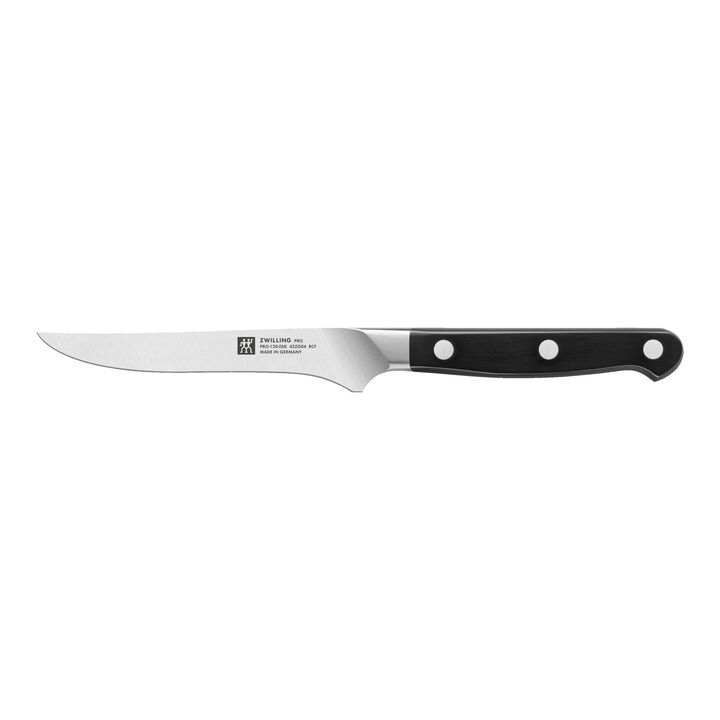
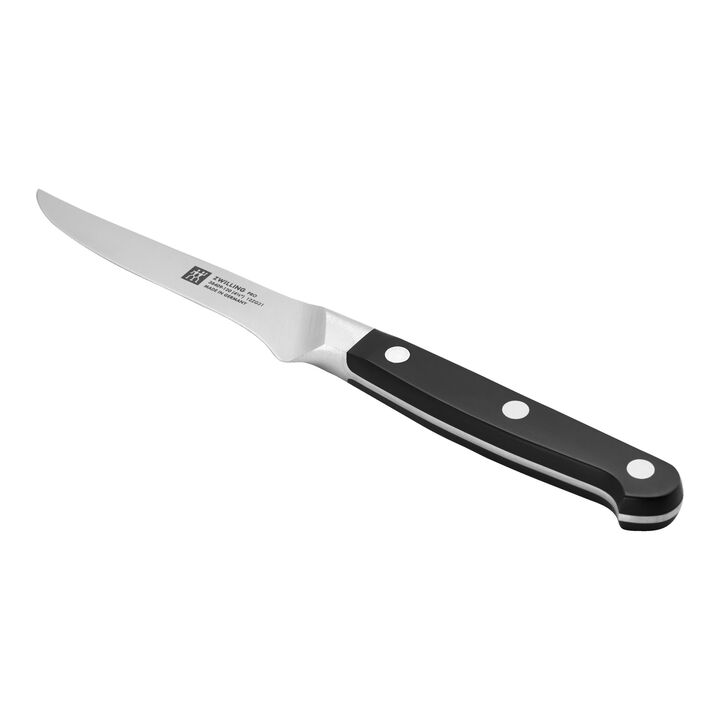







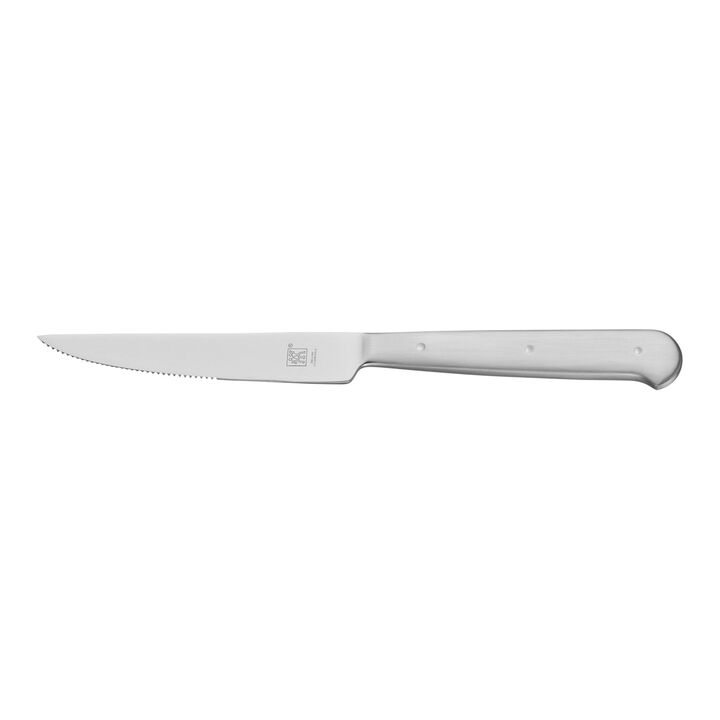


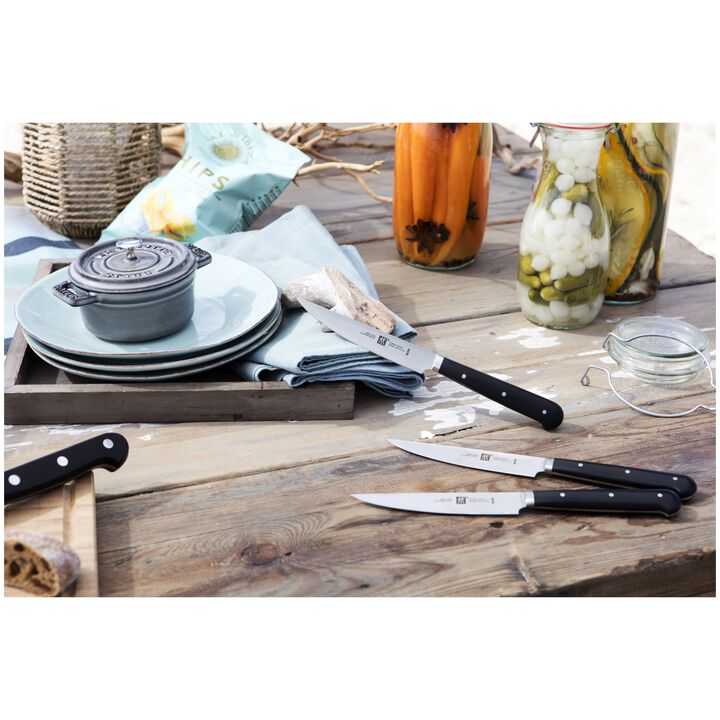

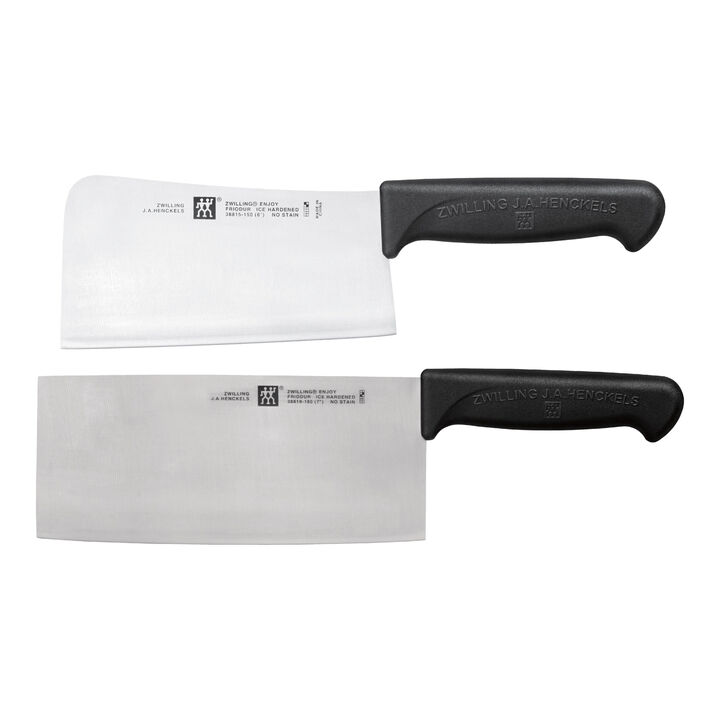
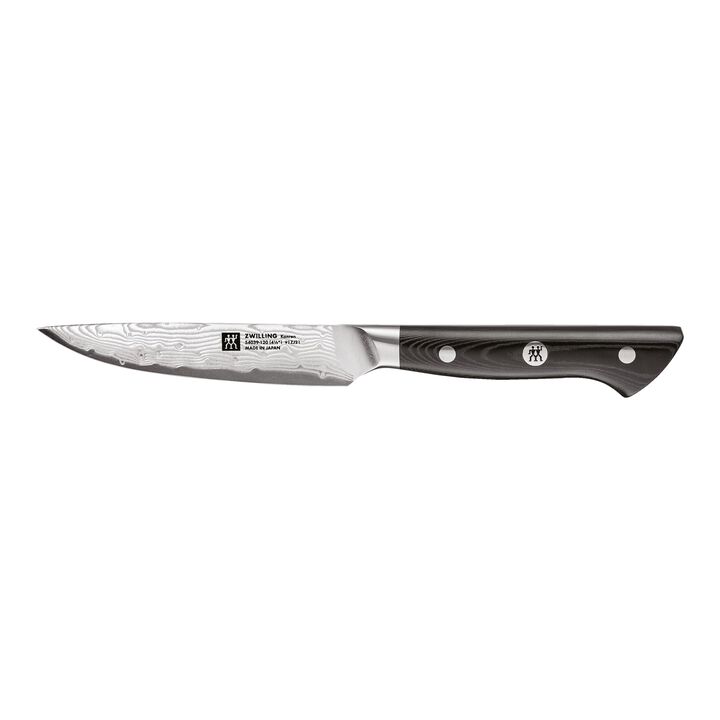

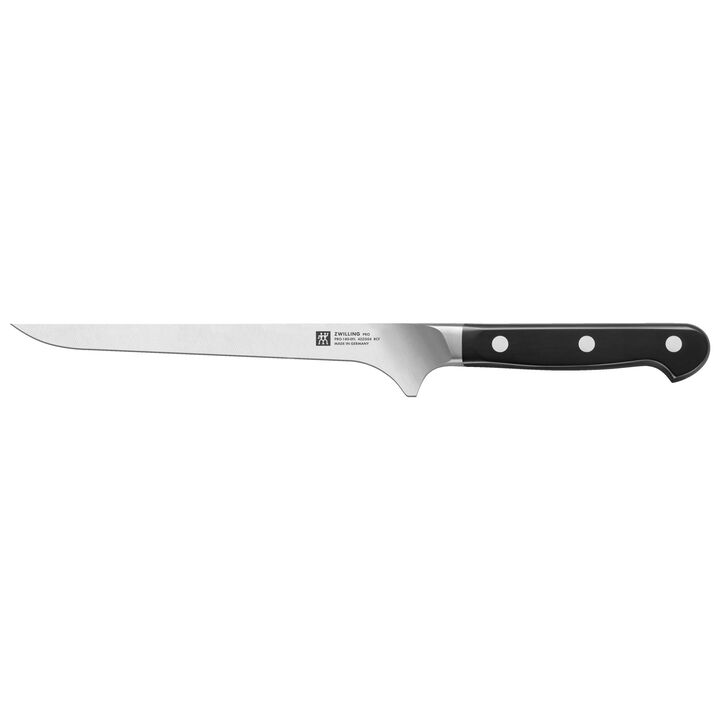


Carving Meat Knives
Buy carving knives at ZWILLING
Do you regularly enjoy eating fish and meat? If so, you'll need the right knife to prepare your food to cook. In the ZWILLING online shop you'll find fish, meat, and special slicing knives that will perform well when both preparing and serving. ZWILLING knives, and our brands BALLARINI and MIYABI, provide plenty of choice in these areas, and while a chef's knife can work as a generalist, a dedicated carving knife gives cleaner serving slices. Find out which slicing and carving knives are the right ones for your purposes and why.
Not fish, not meat? Don't work with the wrong knife
There is a reason why our shop offers such a wide range of high-quality knives—each designed for specific purposes in the kitchen. For instance, would you consider filleting a salmon with a steak knife?Instead, our versatile utility knife is better suited for many kitchen tasks. Using the right knife for demanding kitchen preparations is essential, which is why we provide a selection of suitable carving knives for you to explore and get to know better.
The importance of a typical carving knife and carving fork
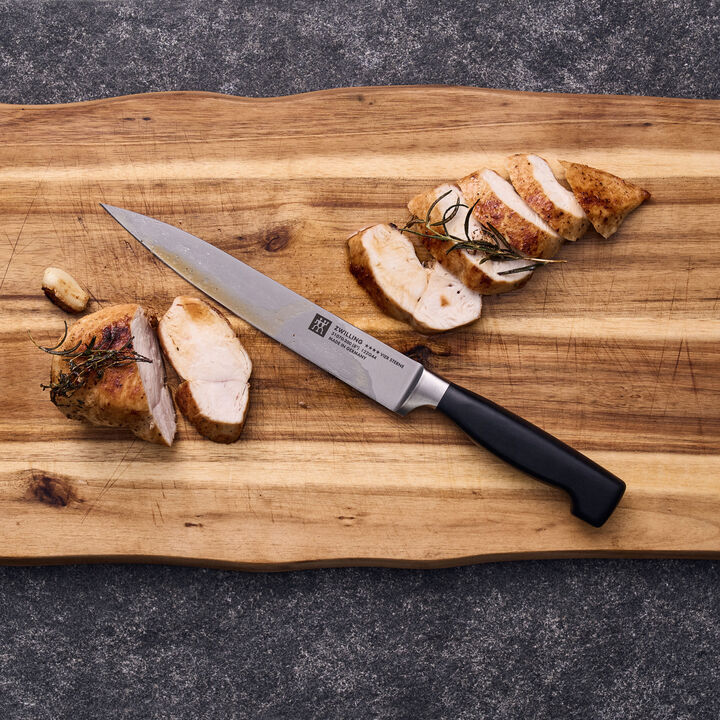
When you want to prepare and serve a good roast, chicken or another similar firm meat dishes, we recommend you use a suitable meat knife. Our meat knives are designed precisely for carving or slicing meat finely after cooking, while heavier prep work such as breaking poultry at the joints is better left to more robust knives. A sharp blade and optimally balanced handling of our meat knives ensures that you can precisely and effortlessly cut fine slices of meat even after long periods of use.
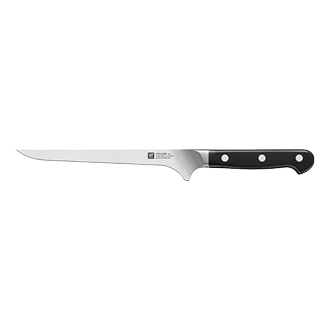
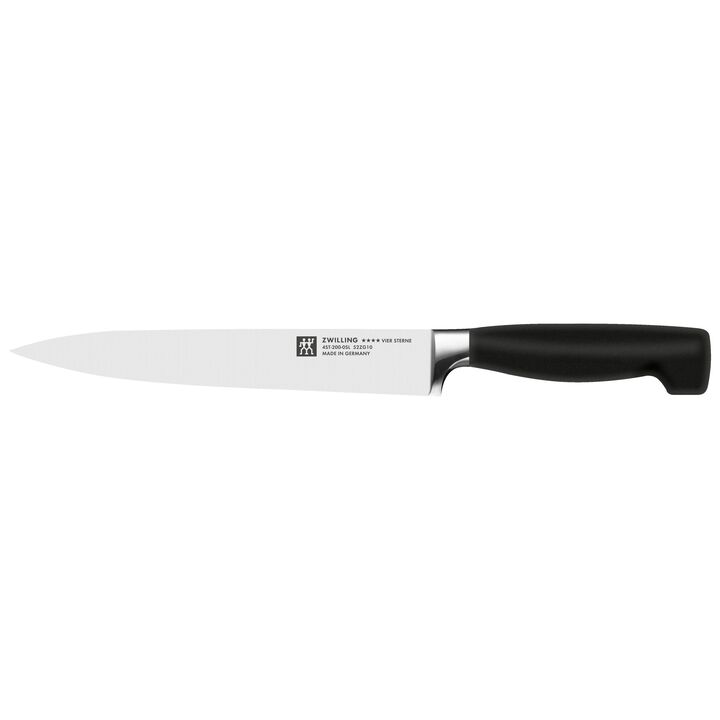
A typical carving knife usually runs about 8 to 14 inches, and its length helps determine how it handles: shorter blades offer more control when working close to bones, while longer blades are better for large roasts and broad, even cuts. It is generally narrow and thin compared to chef's knives, with a pointed tip for maneuvering around bones. Its extremely sharp edge and often flexible blade allow for precise, clean slicing without shredding the meat, while features like a granton edge help prevent slices from sticking to the blade. The handle material and shape are crafted to provide a secure grip even when greasy, ensuring safety and control during the carving job.
Slicing knives - a genuine specialist for perfect slices
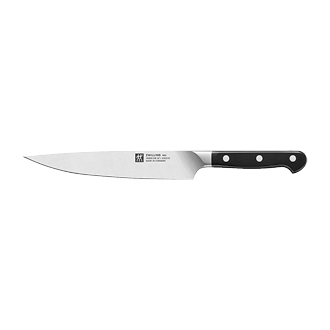
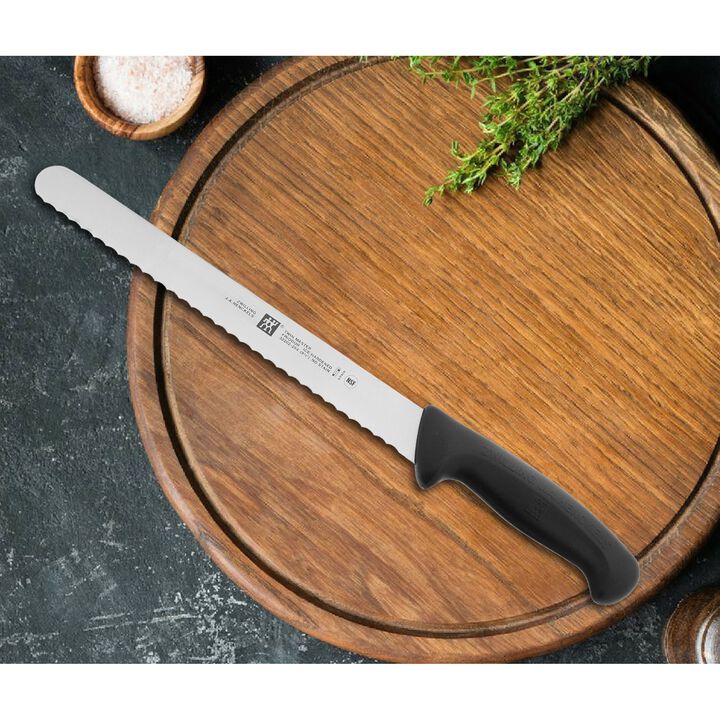
When you don't want to cut just any meat, but juicy ham and other mostly boneless cuts, the ZWILLING slicing knife is a good choice. This style of slicer usually has a long, narrow profile with a rounded tip, and slicing knives commonly range from 10 to 12 inches in length. Featuring a long blade with grooves that prevent the food being cut from sticking to the blade, it can also be used as a salmon knife. It works best on boneless meat such as ham or pork, and can also handle soft foods like ripe fruits and vegetables cleanly.
Need a good fish knife? Check out our ZWILLING specialty fish knives
In many cases, a knife suitable for meat can also serve as an excellent slicing knife for fish. This is why we have combined these categories in our shop. A straight, razor-sharp blade paired with a comfortable hilt is essential for both meat and fish knives, ensuring precision and ease of use in the kitchen.
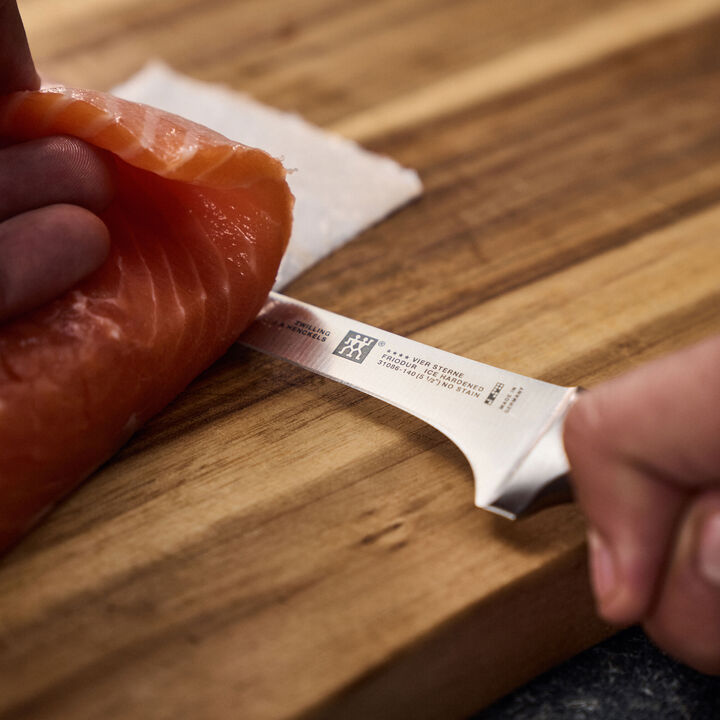
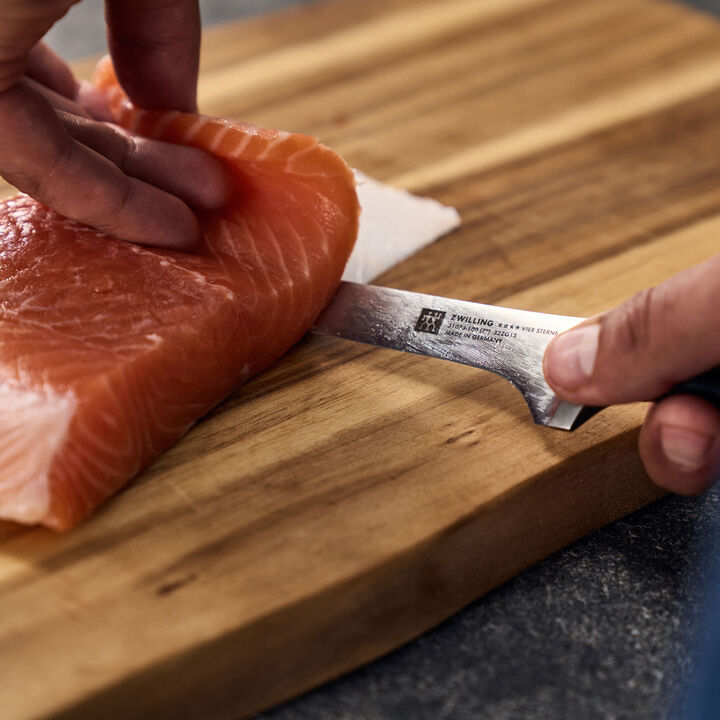
However, you can also specialize in fish preparation. A long, thin blade helps with very fine slices, but around joints and bones in fish and poultry, control matters more than extra length. Sometimes fish meat need to be finely sliced, wafer-thin. For example, in a sushi kitchen, fish meat can be prepared even better with a fine fish blade, and a smooth blade or handle surface is easy to clean while grooves can help reduce sticking on the blade. In our online shop, you'll not only find the right salmon knife, but you can also live out your passion with our professional Japanese knives.
Fish and meat knives from Japan
Since we are already in an unique product category, you may also be interested in our range of Japanese knives. Our Japanese knives are made in Seki, one of the most recognized places to produce super-sharp knives in the world. This is where our MIYABI brand originates from, allowing us to offer you Far Eastern blades. These Japanese knives have an individual grain and very high degrees of hardness and sharpness, perfect for preparing meat and fish.
How to best use a carving knife
To get the best results when using a carving knife, start by allowing your meat, such as a turkey breast or brisket, to rest for 10 to 30 minutes after cooking. This helps the juices redistribute, resulting in juicier slices. Identify the direction of the muscle fibers or grain in the meat, and always slice against the grain to ensure tender, easy-to-chew pieces. Use long, smooth slicing strokes rather than chopping motions to create clean, even slices without shredding the meat. A carving knife typically has a narrow, flexible blade with a pointed tip, allowing you to maneuver around bones and joints effectively. Holding the carving fork with thick, sturdy tines in the other hand stabilizes the meat, making carving safer and more precise.
Regularly sharpen your carving knife with a whetstone or sharpener and hone it frequently to maintain a razor-sharp edge. Avoid putting your carving knife in the dishwasher, as it can damage the blade and handle; instead, hand wash and dry it promptly to keep it in the best condition.


