


Chef's Knives & Compact Chef's Knives
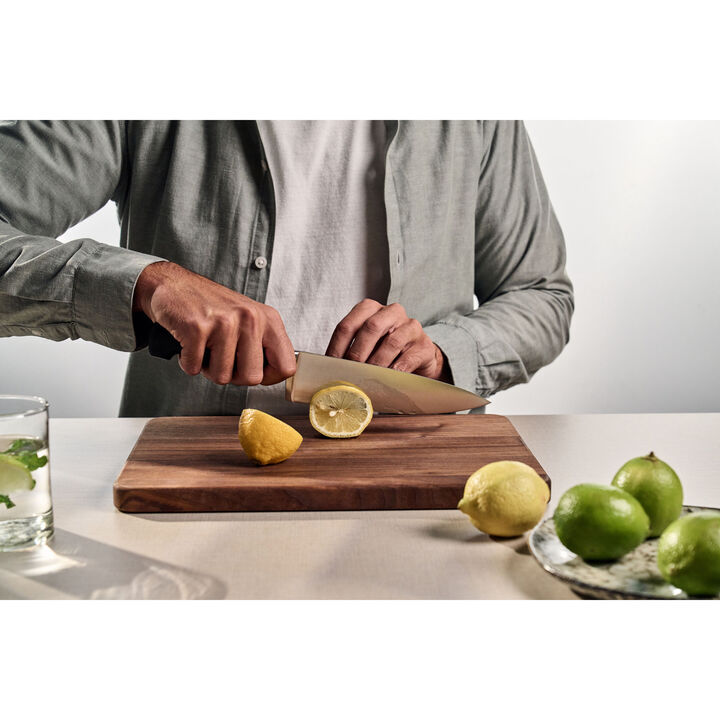
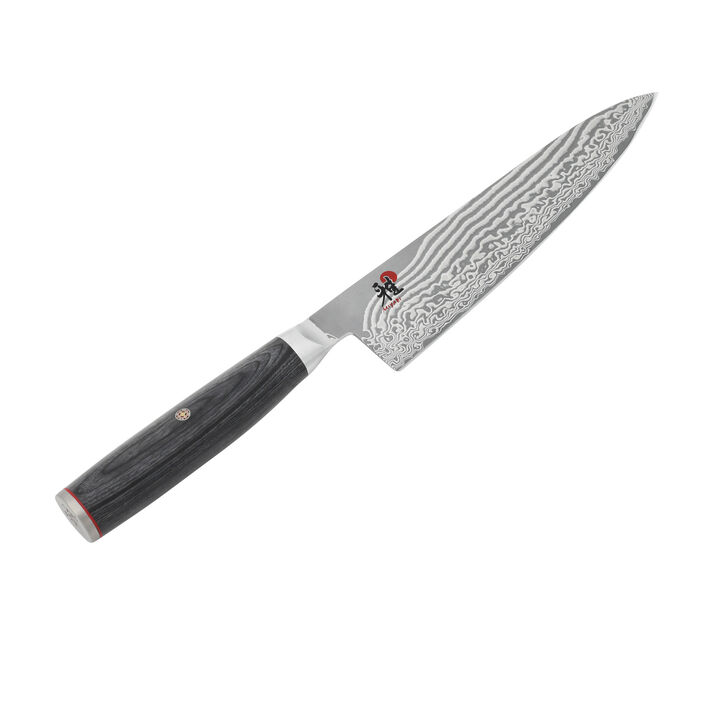
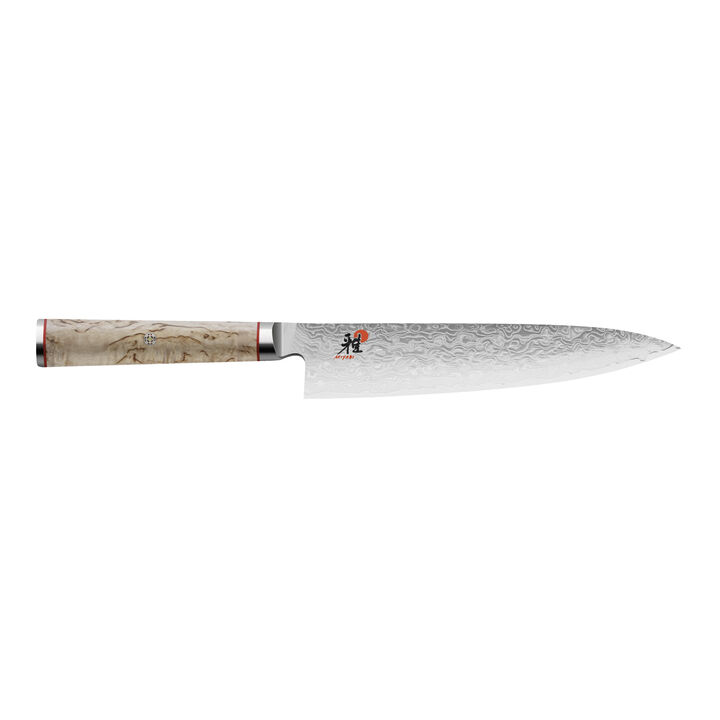
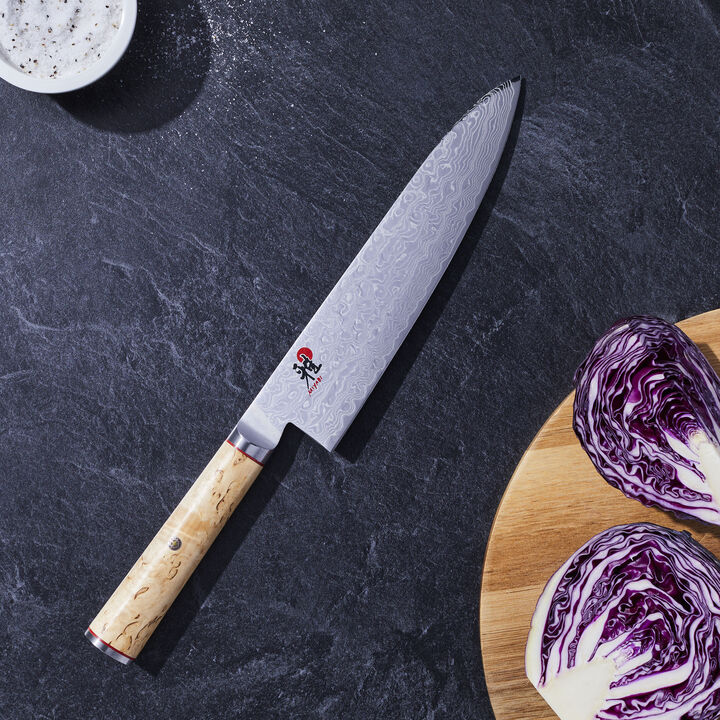
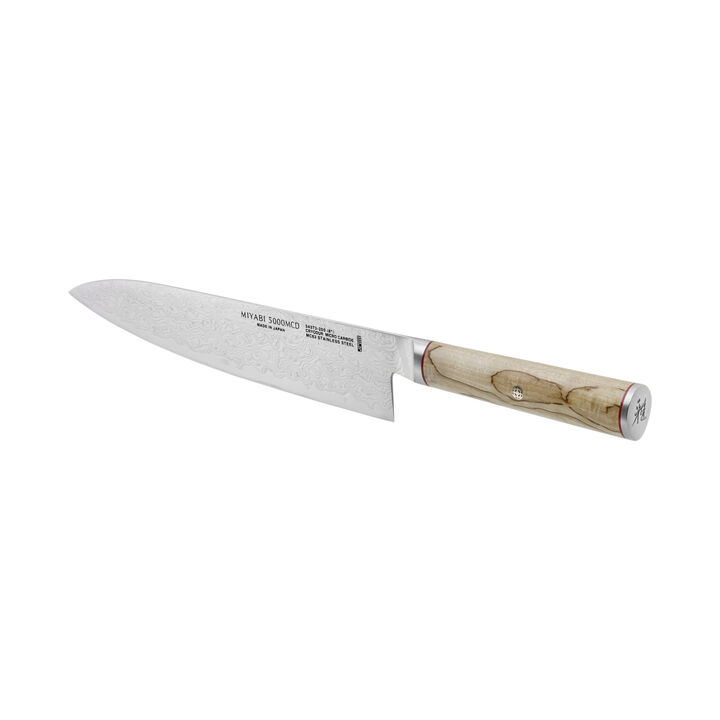
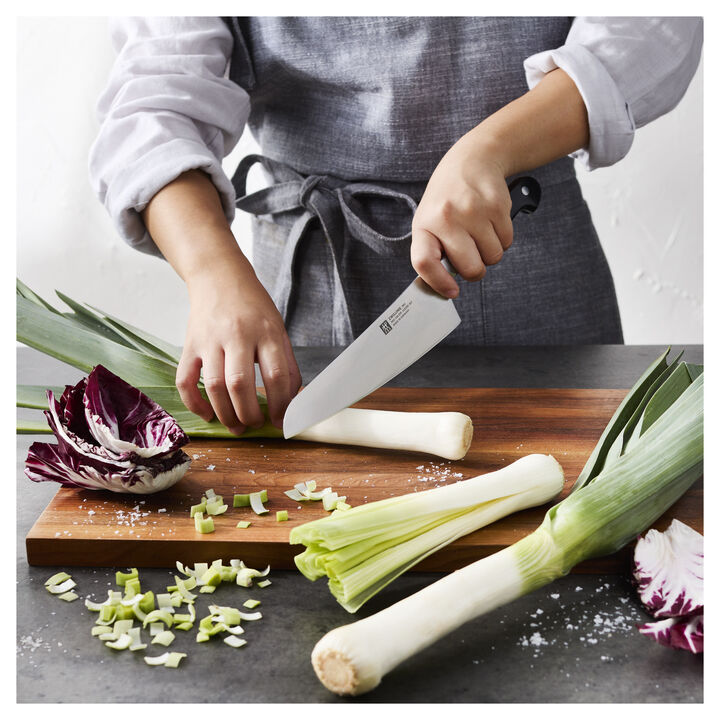
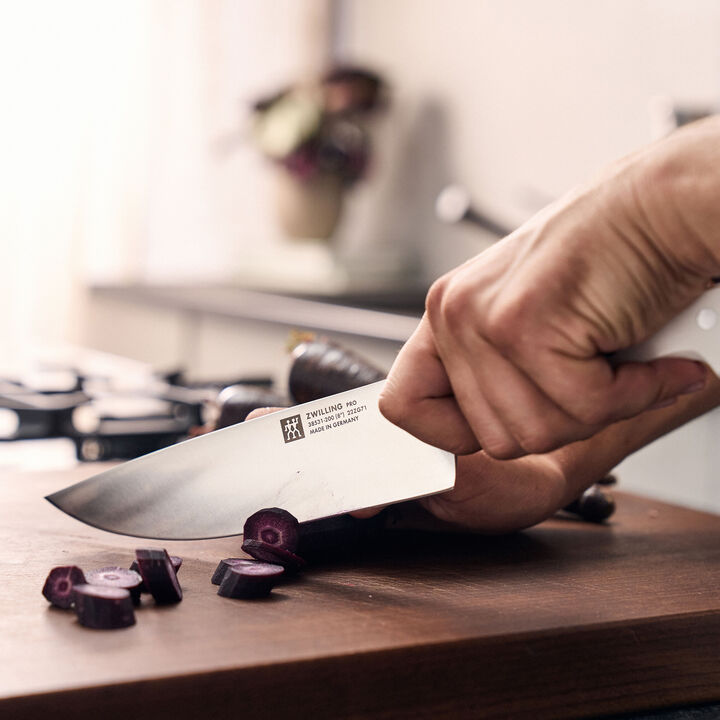
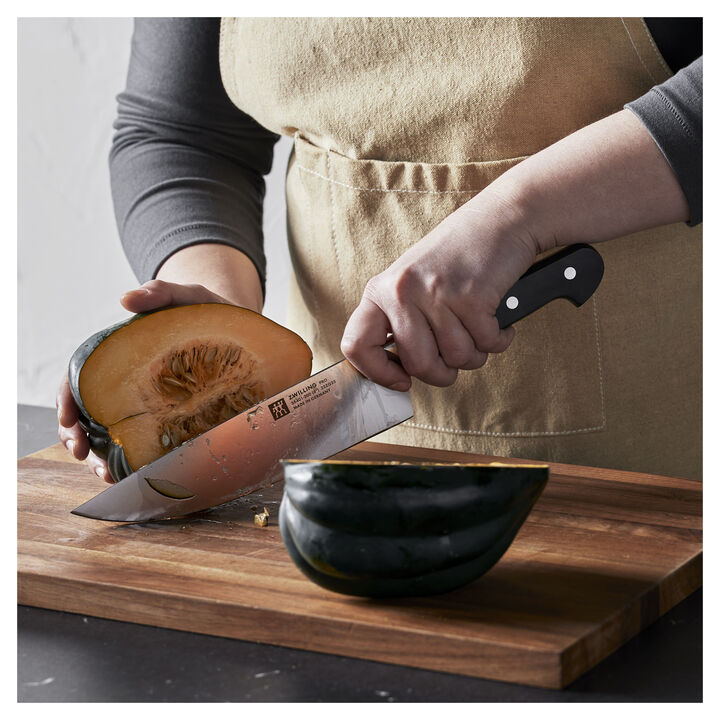
The classic chef's knife is a versatile and essential tool in any kitchen, perfectly suited for cutting meat, fish, and vegetables with precision and ease. Its design, honed over centuries, allows for efficient slicing, dicing, and chopping, making it indispensable for both professional chefs and home cooks. Whether you're preparing a simple meal or an elaborate dish, a good chef's knife enhances your control and accuracy, transforming everyday kitchen tasks into effortless culinary experiences.
Beyond its fundamental uses, the chef's knife is celebrated for its balance and ergonomic design, which reduce hand fatigue during extended use. Its durable blade and razor sharp edge ensure clean cuts, preserving the texture and flavor of ingredients. Investing in a high-quality chef's knife means you have a reliable, long-lasting tool that can handle a wide range of kitchen tasks, from mincing garlic to carving a roast, making it a cornerstone of any well-equipped kitchen.
FILTER BY HANDLE DESIGN



































How to maintain the quality of your knives


Chef's Knives
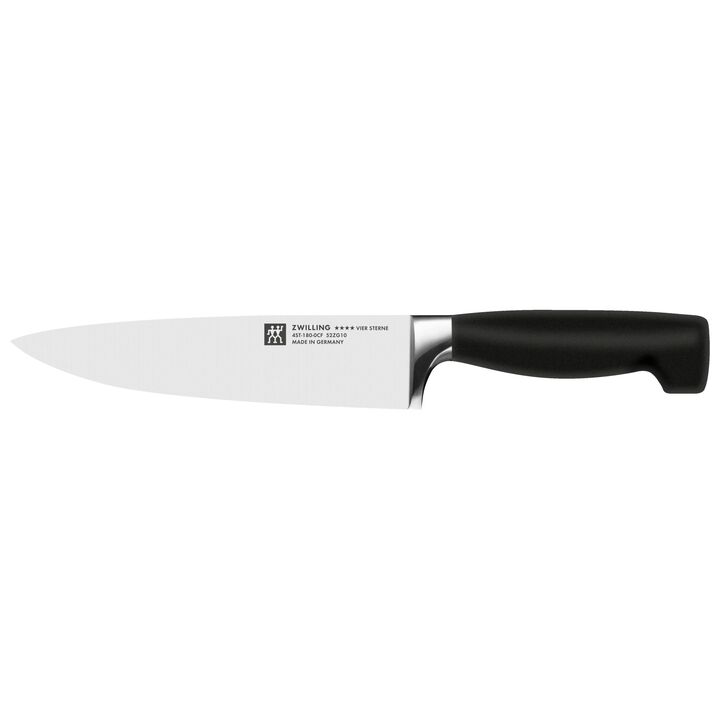
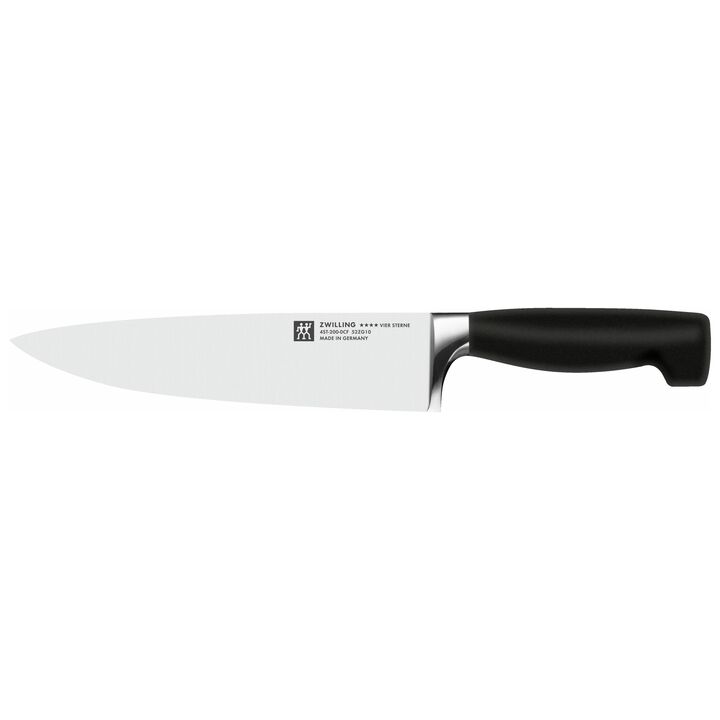
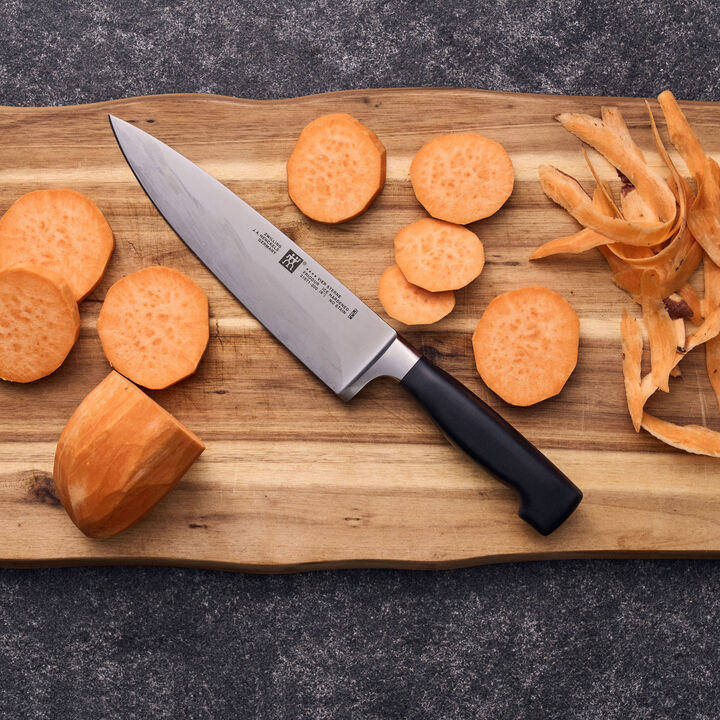
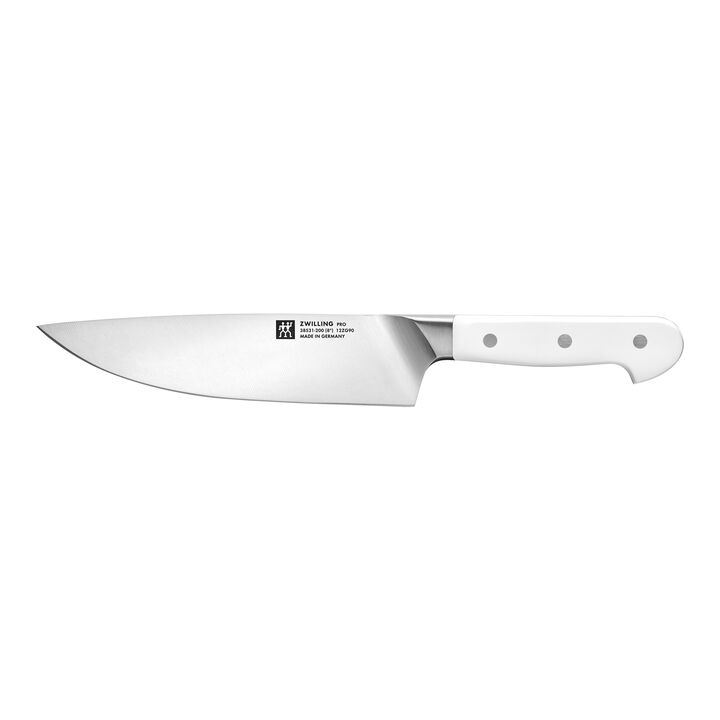
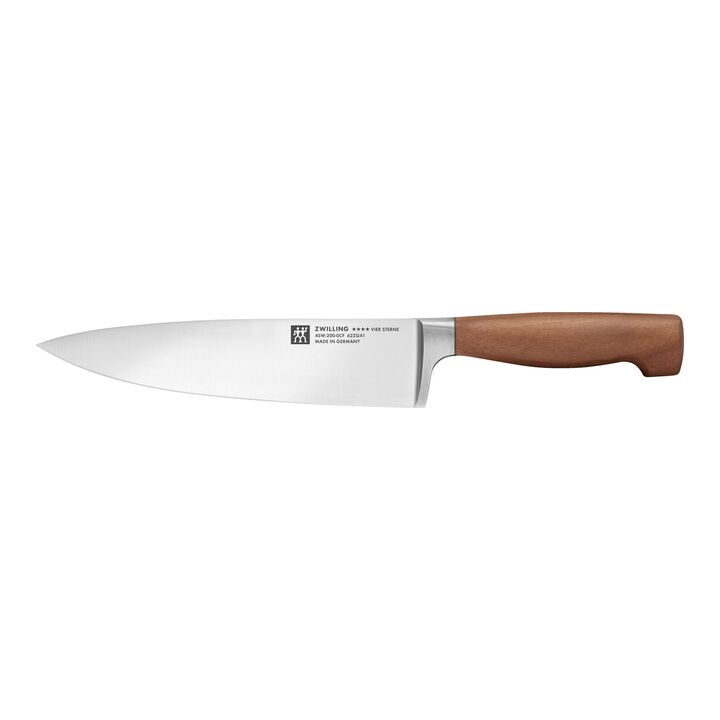
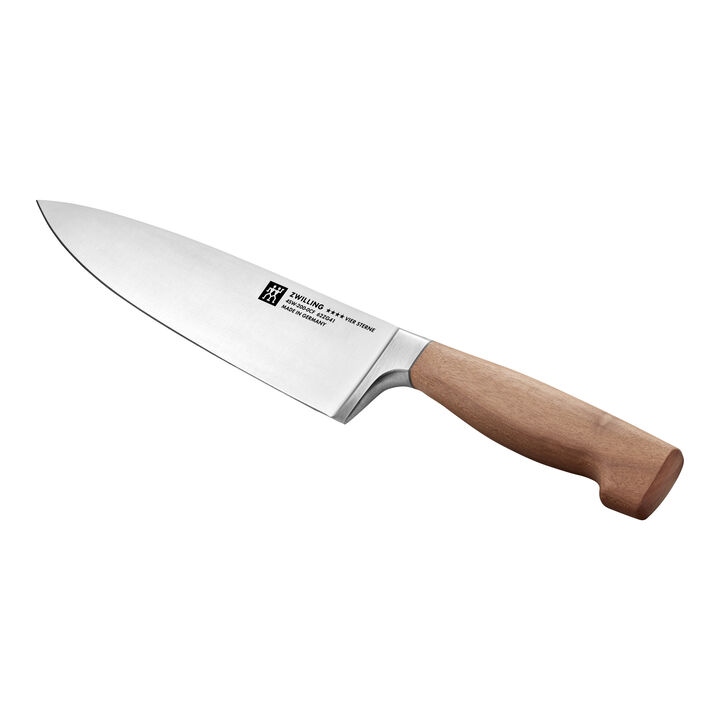
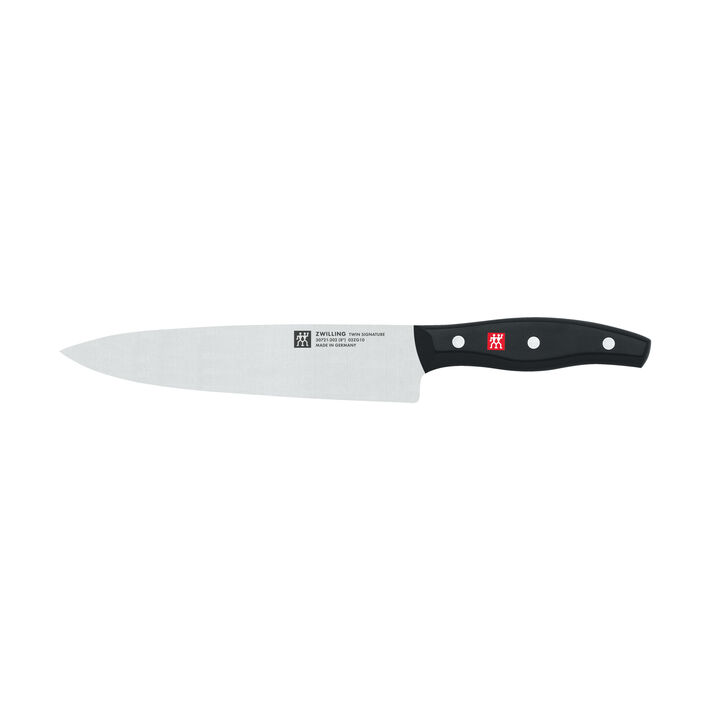
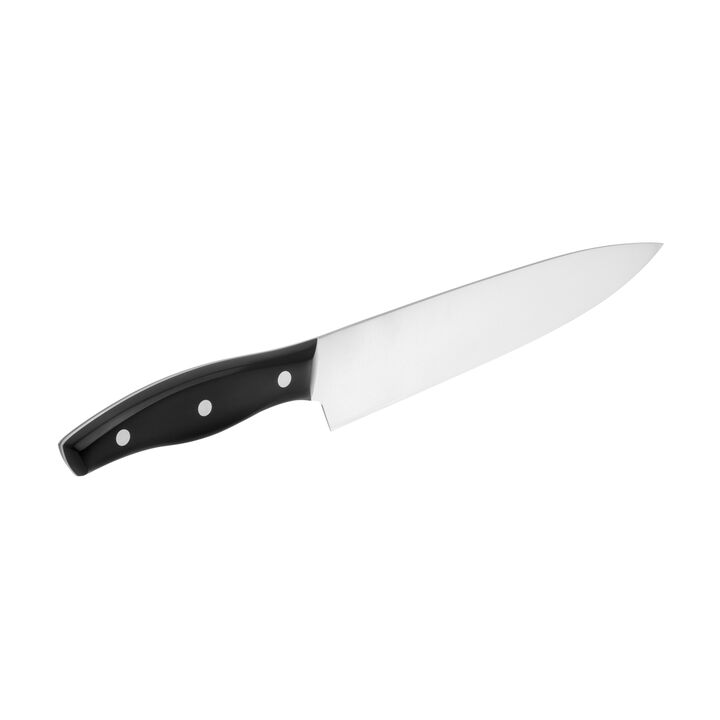
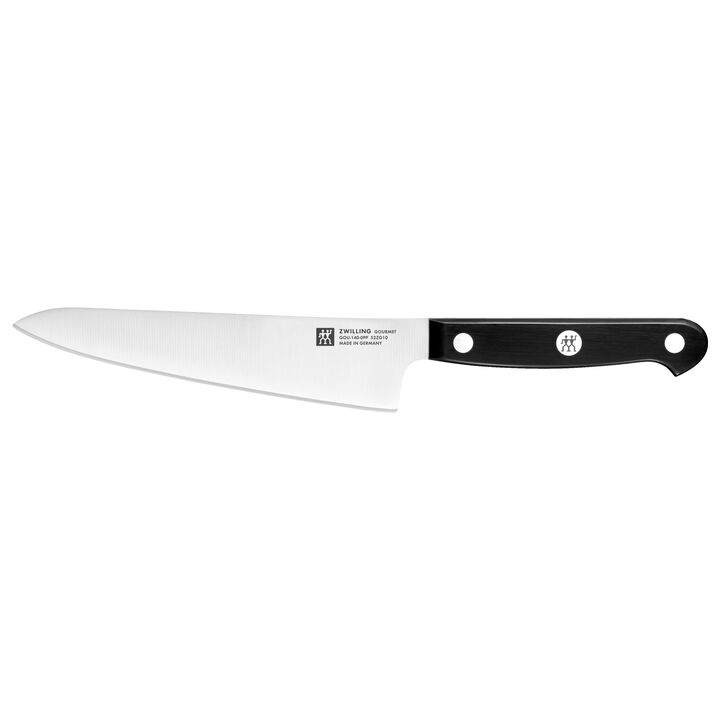
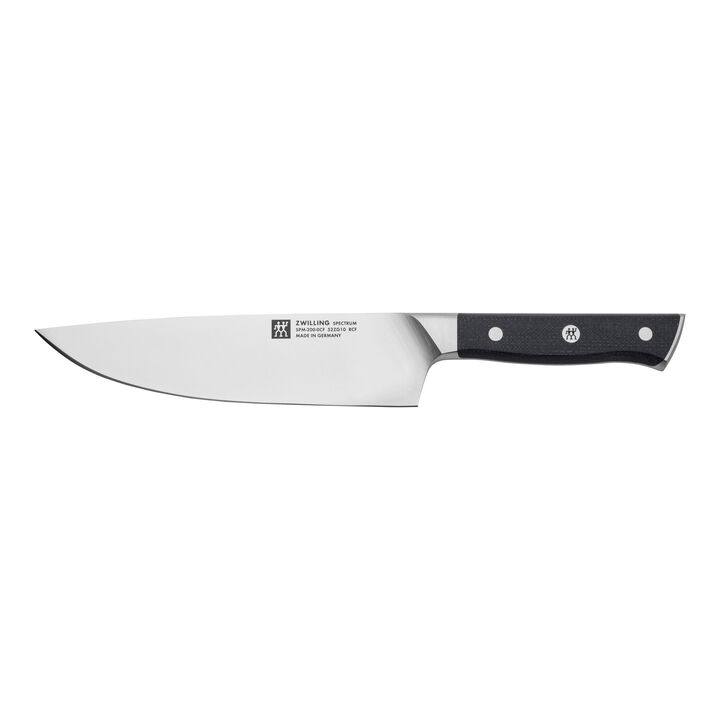
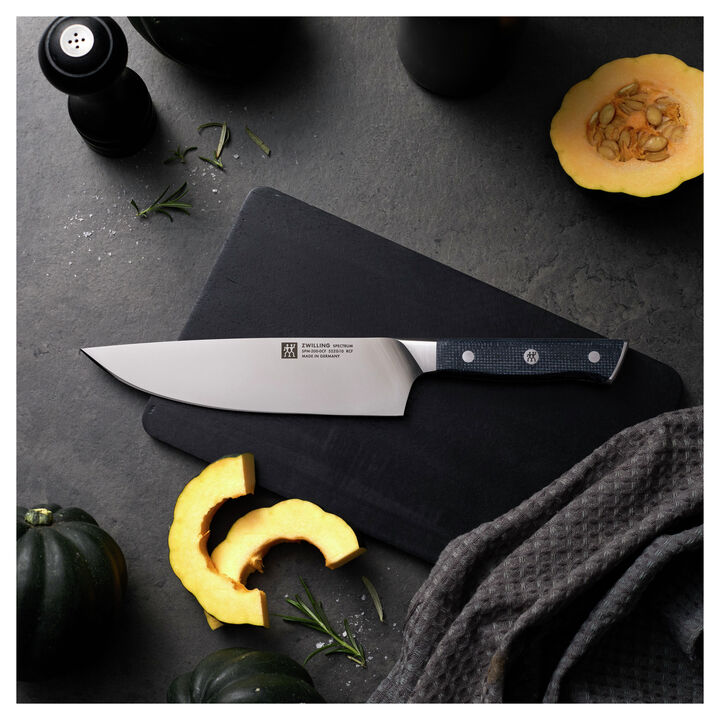
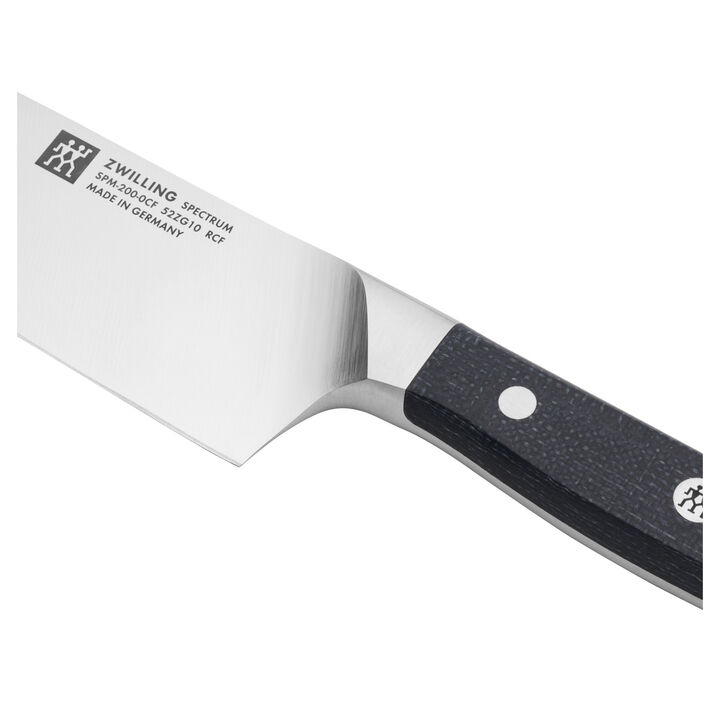
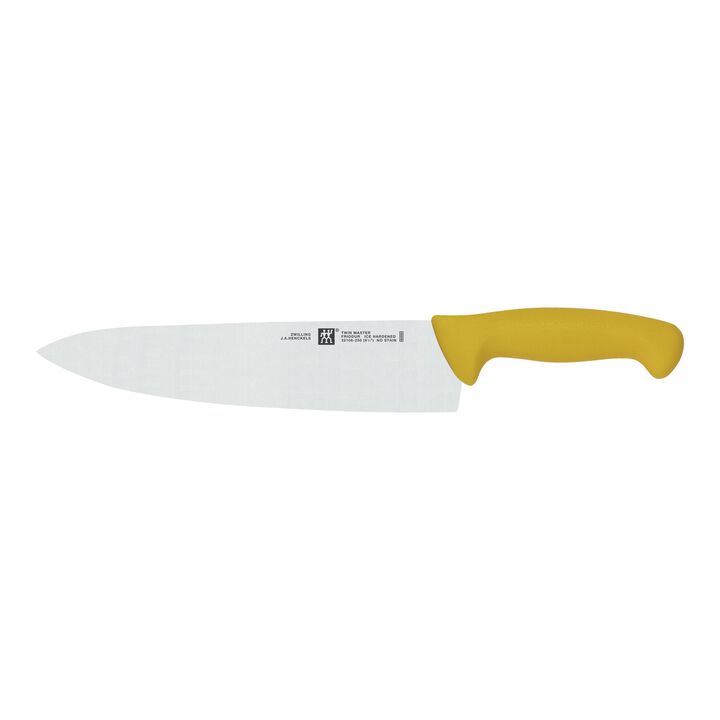
A high-quality chef's knife is part of the basic equipment of every kitchen. Chef's knives are used not only for cutting meat, fish, and vegetables, but also for weighing and chopping herbs and many other ingredients. ZWILLING's online store has a wide range of kitchen knives, from solid and reasonably priced knives for the occasional and hobby cook to high-quality models for professional chefs.
A proven everyday chef's knife form from long experience
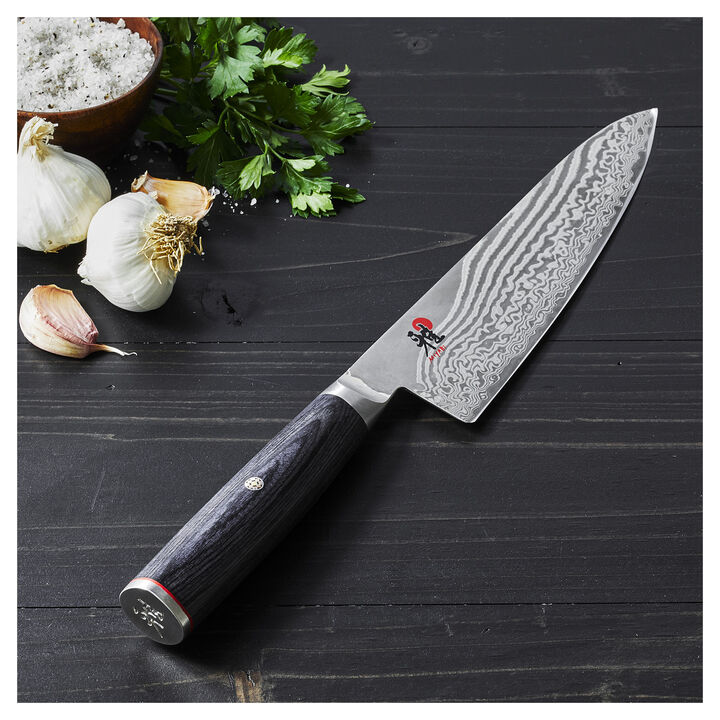
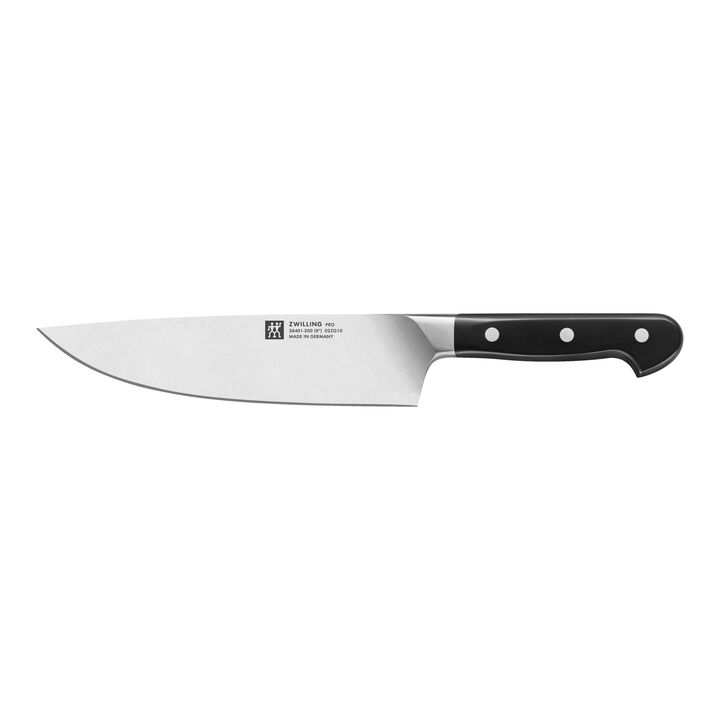
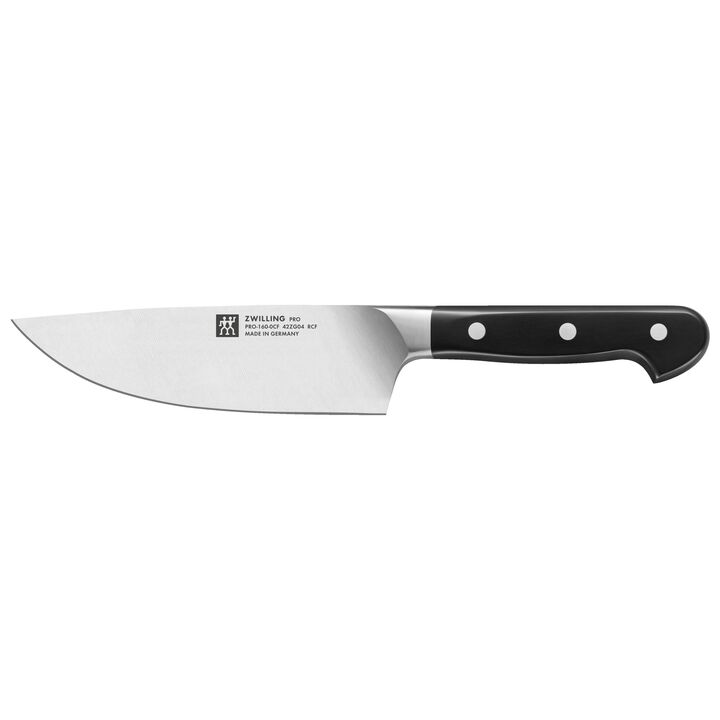
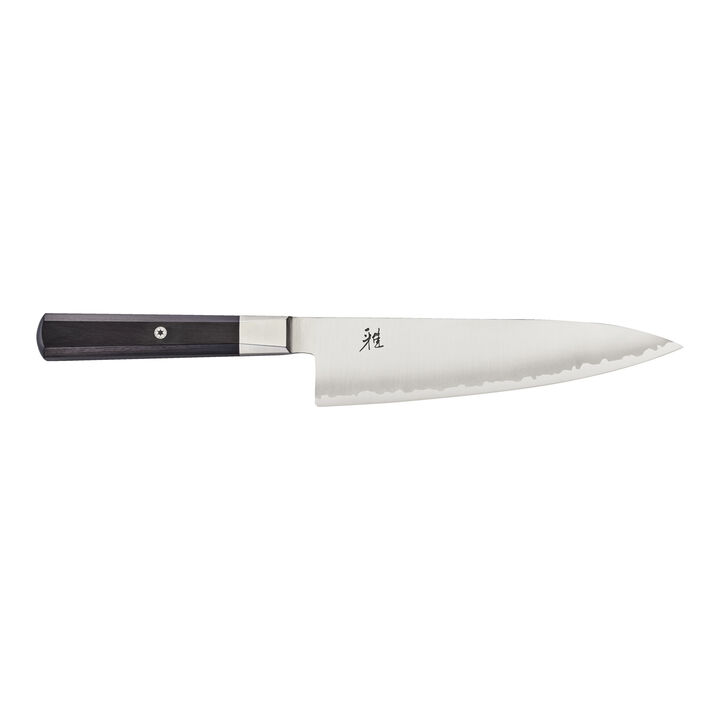
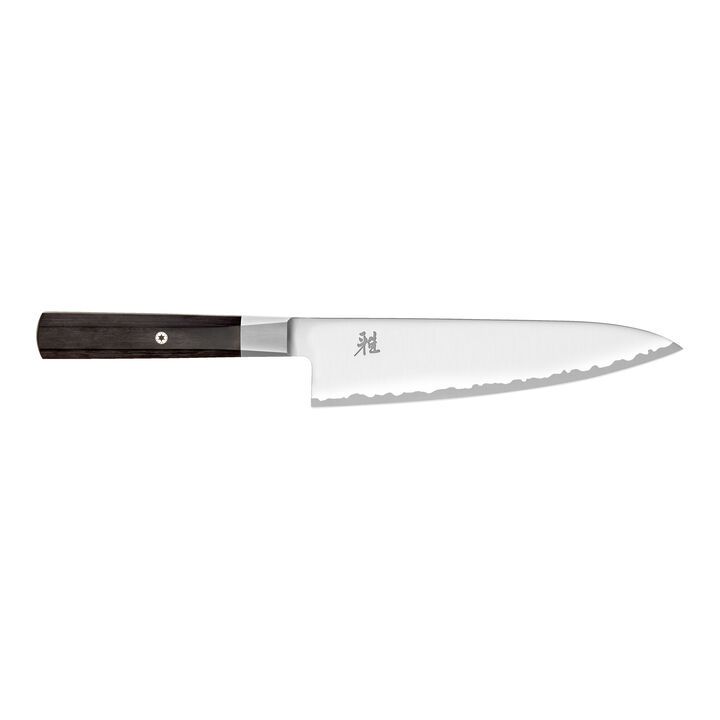
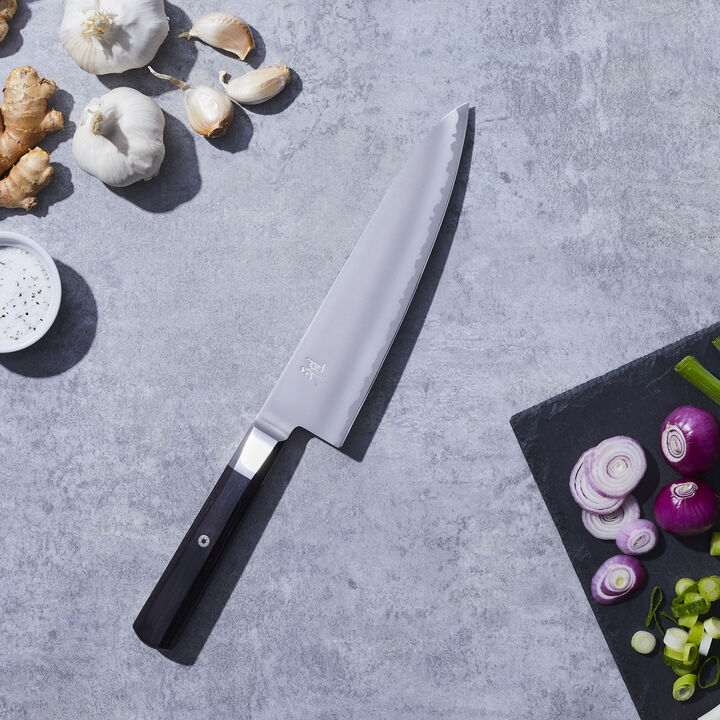
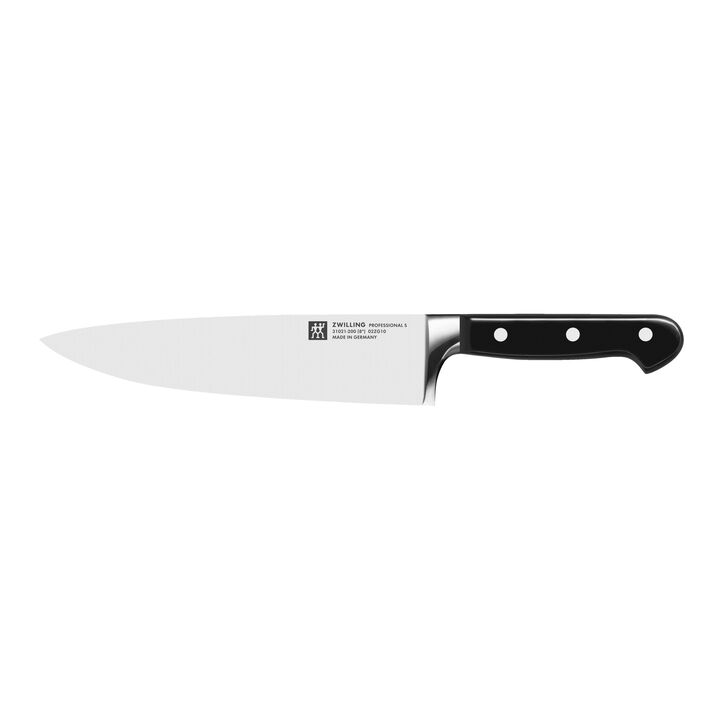
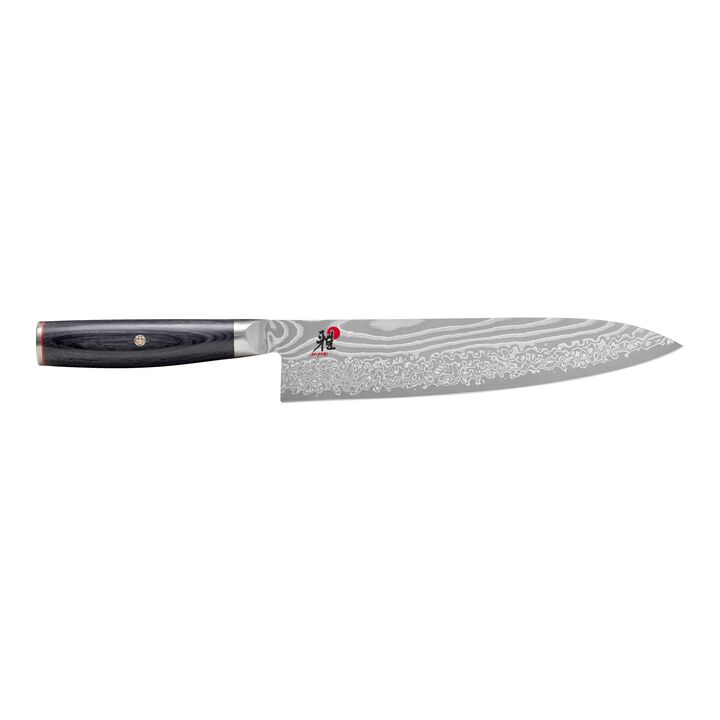
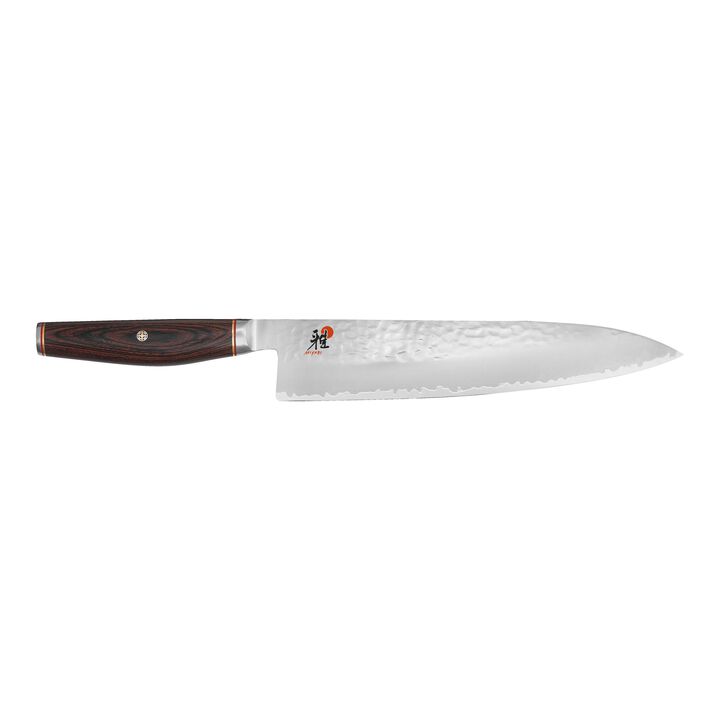
The shape of classic chef's knives is the same for all variants. Blade length is an important buying factor, and high-quality chef's knives typically range from 6 to 12 inches. The cutting surfaces of the blades also vary in blade shape: western style knives have rounder bellies that support a rocking motion and taper towards the tip. By contrast, Japanese style knives differ from classic profiles because a Japanese style blade usually has a leaner, straighter edge, and the top of the blade and the handle form a straight line in most cases. A western chef's knife usually has a sturdy double-bevel edge, while some Japanese blade designs use an asymmetric grind or a single bevel.
A chef's knife for professionals should not be too light but also not too heavy. Some cooks prefer a weighty blade that lets the knife do more of the work, while others want a lighter feel for control. Its weight should make the work easier, but on the other hand, it should not overstrain the cook. Therefore, a good balance between blade and handle weight is an important criterion when buying a chef's knife, and a full tang generally provides better balance than partial-tang construction. Forged knives are sturdier than stamped knives. For optimum ergonomics, the knife must fit well in the hand during prolonged use. Above all, the blade must be sharp and must not lose its cutting ability (= durability of the blade) so quickly: softer steel is typically more forgiving and common in western blades, while harder steel is often used in Japanese style blade designs, which frequently rely on high carbon steel or carbon steel for sharpness.
Why you should buy a high-quality chef's knife
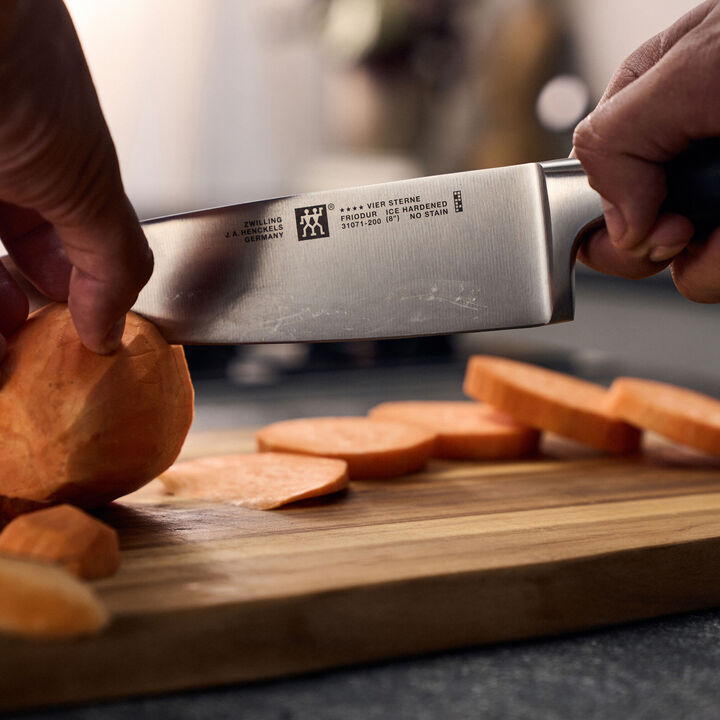
Cut with a blunt knife blade, destroy the structure of the food or change its consistency negatively. The smoother and cleaner the food is processed, the greater the final pleasure. Kitchen knives from ZWILLING and MIYABI are made of high-quality stainless or damascus steel, deliver a super sharp, razor sharp cut with razor sharpness and a clean cutting edge, feature a sharp edge that can stay sharp, and have a long-lasting blade sharpness. Hand-wash and dry knives to help prevent dulling, and regular oiling helps prevent rust on carbon steel knives. If a kitchen knife loses its sharpness, use a whetstone to keep the knife sharpened correctly. Avoid pull-through sharpeners because they remove too much metal. You can also browse through our collection of knife sharpeners and steels.
How to find the right chef's knife
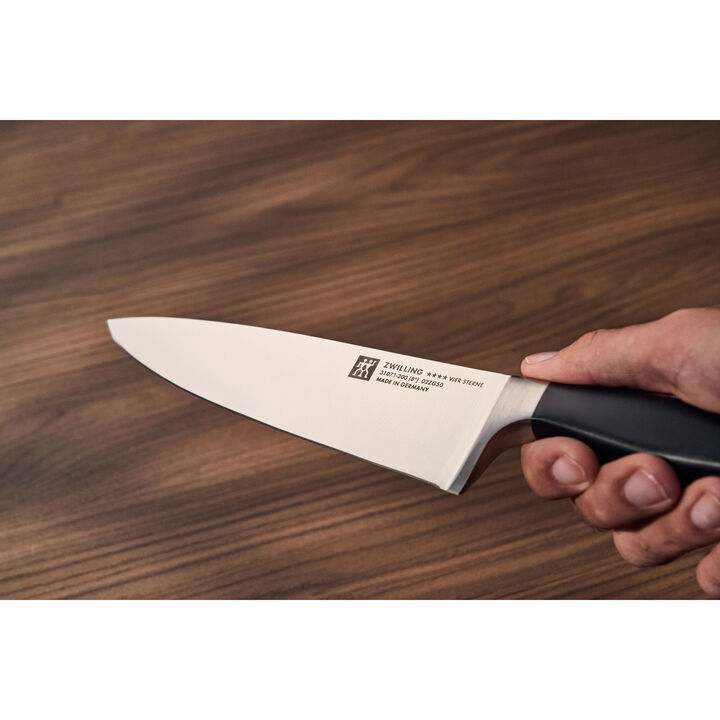
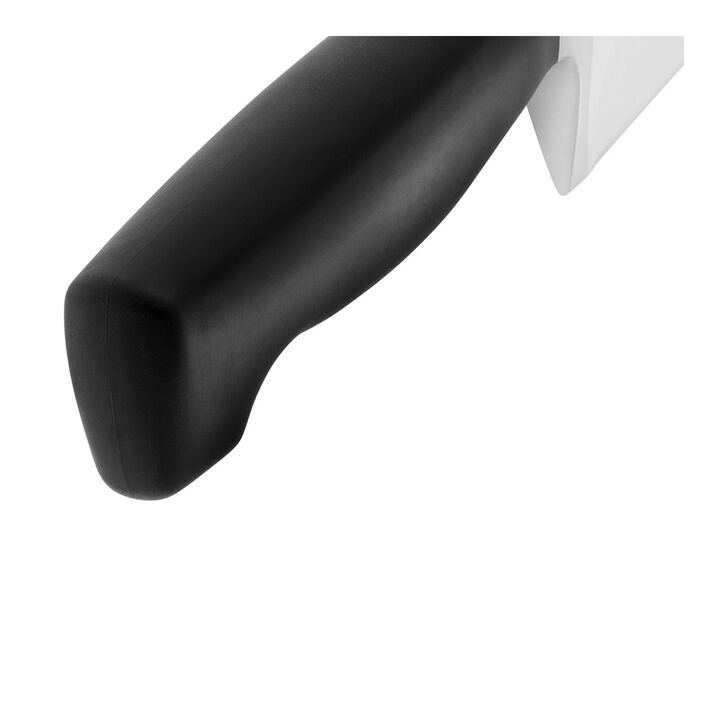
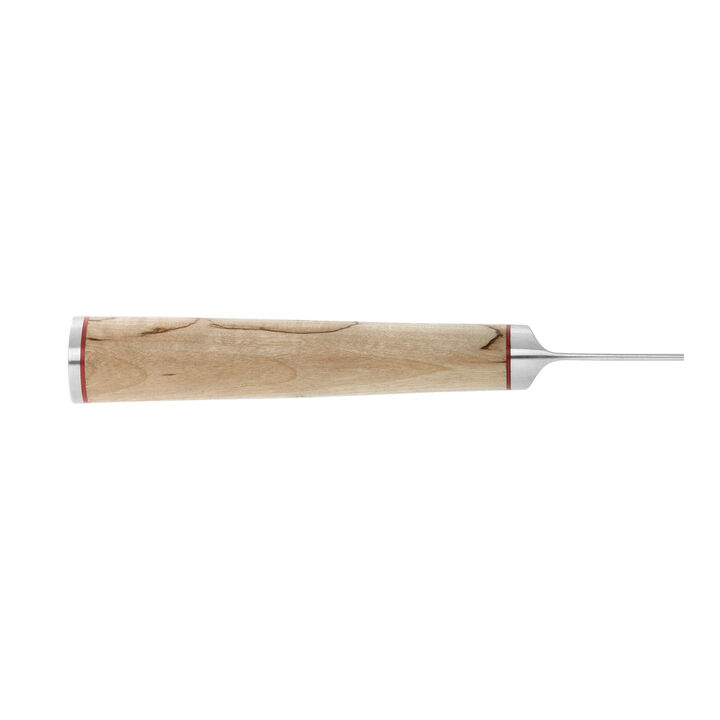
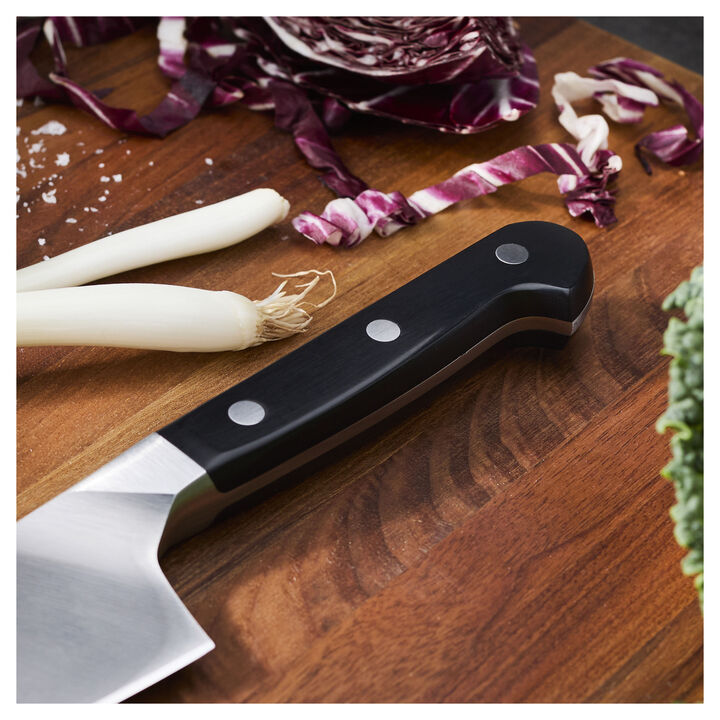
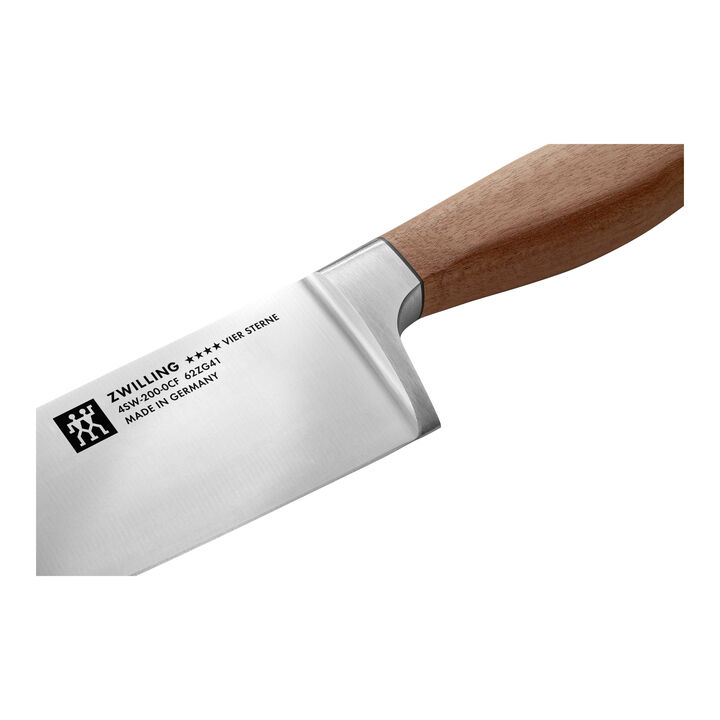
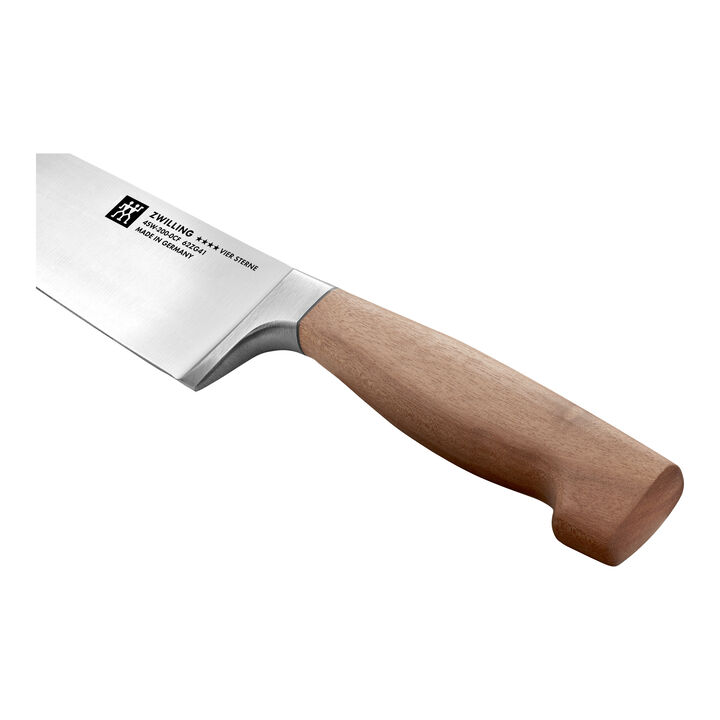
In general, you can't go wrong with a classic chef's knife. However, whether you prefer to process food with a classic chef's knife, Chinese chef's knife, or Japanese chef's knife is a matter of personal preference, and the perfect chef's knife for you depends on what feels right in use. First, check whether you prefer a short or long blade; many cooks settle on an 8-inch chef's knife as an everyday chef's knife. Then test whether the chef's knife fits comfortably in the hand. Which handle material, wood, plastic, or stainless steel, you prefer depends entirely on your taste, and the feel can change a lot depending on whether you like a slim handle, a plastic handle, or the way the bolster supports a pinch grip. A western chef's knife usually works well for a rocking motion and tasks like dicing onions, while a Japanese-style knife often favors precise slicing.
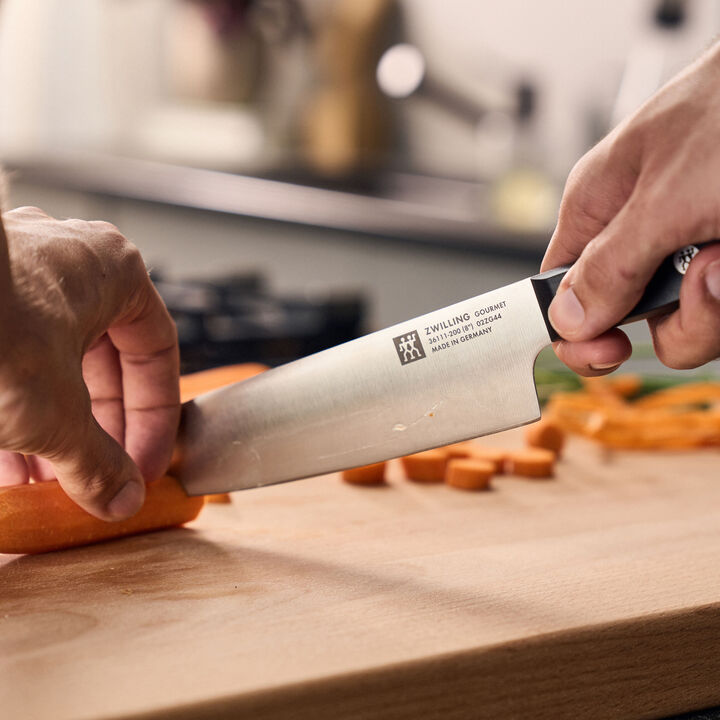
When you hold a high-quality knife in your hands for the first time, you will feel the difference from the less quality kitchen knife. The workmanship and the cut are in a different class. When you cut with such ZWILLING chef's knife for the first time, you will know what "sharp" means.


